
Panama gaming license
Have questions? We're here to help!
Message us on Telegram or WhatsApp for fast assistance!
Panama offers a clear legal pathway for companies looking to enter the online gambling industry with an international focus. The Panama gambling license covers a wide range of gaming activities and is open to businesses incorporated in Panama. License holders enjoy benefits like broad operational coverage, a favorable tax environment, and privacy protections. While the process involves detailed requirements and strict compliance, it remains accessible for those aiming to reach players outside Panama. This guide outlines what you need to know about applying for and maintaining an online gambling license in Panama.
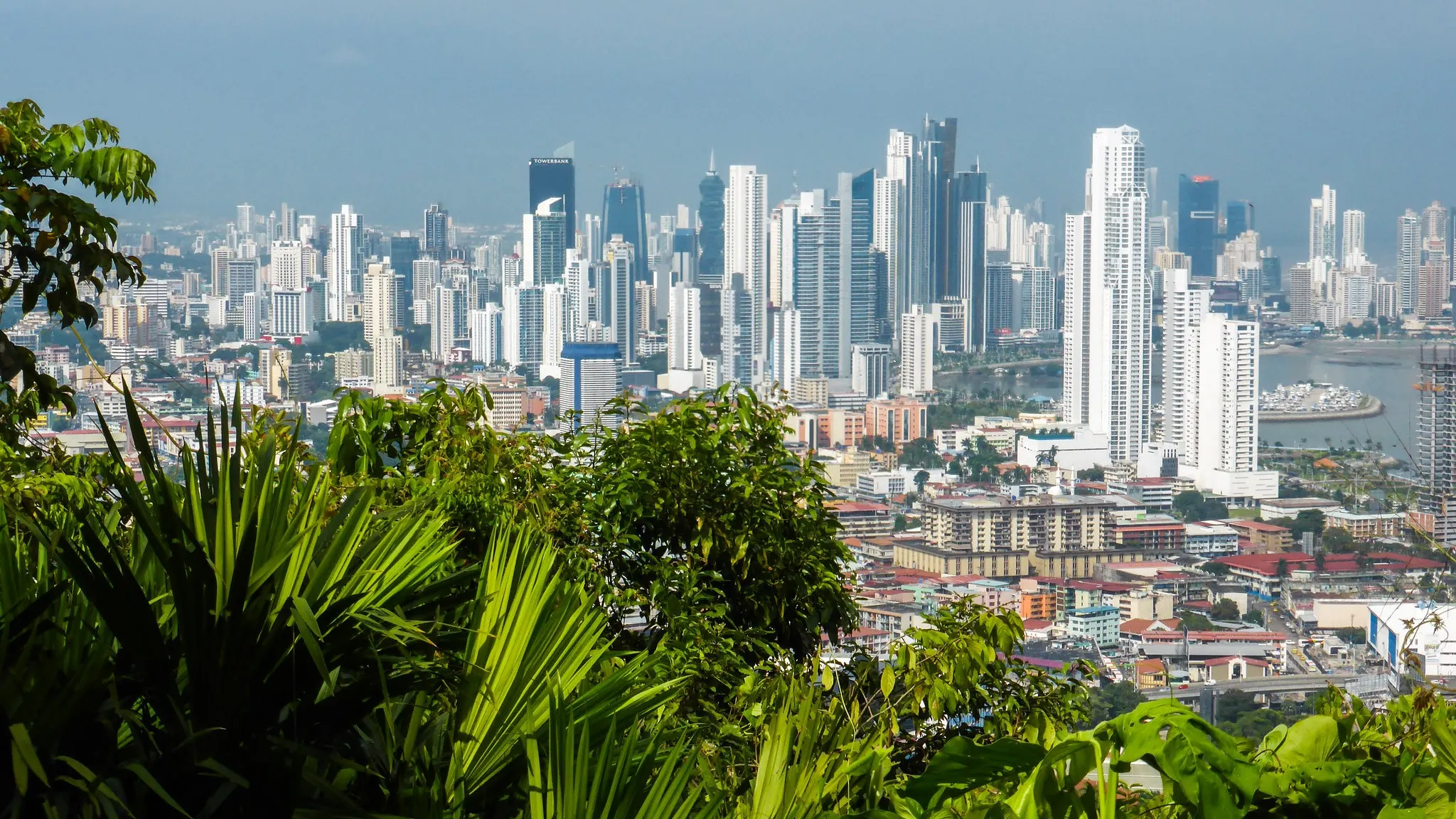
Key benefits of obtaining a gambling license in Panama





The Panama jurisdiction offers several license types, covering a broad range of activities:
- B2C (Business to Consumer) licenses
These cover operators providing direct gambling services to players, including online casinos, sports betting platforms, poker, bingo, lotto, and fantasy sports. One license can cover multiple verticals, so separate applications for each activity are not needed. - B2B (Business to Business) licenses
Intended for service providers and software vendors supplying platforms or games to other licensed operators. This includes white-label solutions, game studios, and technology providers. - Software provider licenses
Grant the right to develop, supply, and integrate gambling software, including RNG (Random Number Generator) games and live dealer technology, for use by licensed operators.
The permitted activities under a Panama gambling license include but are not limited to:
- Online casinos
- Sports betting (including eSports)
- Poker rooms
- Bingo and lotteries
- Horse and dog racing
- Fantasy sports
- Games of skill and chance
The licensing regime is flexible, enabling operators to combine several gambling products under one authorization, supporting business growth and diversification within the international online gaming market.
Who can apply
To obtain a Panama gambling license, the applicant must be a company registered in Panama. Individuals cannot apply directly; only corporate entities incorporated under Panama’s Corporation Law (Law 32 of 1927) are eligible. The applicant company should have at least three directors. Directors and shareholders can be non-residents, and there are no restrictions on their nationality.
Key people requirements include:
- Directors: Minimum three, can be of any nationality.
- Shareholders: No minimum or maximum, also can be foreign.
- Compliance officer: Must be appointed to oversee anti-money-laundering (AML) obligations.
- Legal representative: At least one director or officer must be a Panama resident or a local law firm must act as the company’s legal representative.
All key individuals involved – directors, compliance officer, shareholders owning more than 10% – must pass police background checks, showing no criminal records.
Documentation requirements
Applicants must prepare and submit a comprehensive set of documents to the JCJ (Junta de Control de Juegos). Typical documentation includes:
- Power of attorney (authorizing a Panama lawyer to act on your behalf)
- Certificate of Incorporation and other company registration documents
- Business plan outlining products, markets, operations, and projected financials
- Feasibility study from a recognized consultancy (not controlled by the applicants)
- Proof of financial capacity (evidence of sufficient capital, recent bank statements, and audited accounts; usually three years’ financial statements and tax filings if available)
- Source of funds statements for invested capital
- AML and KYC policies describing customer due diligence and anti-fraud measures
- List of directors, shareholders (>10%), compliance officer, and all key staff
- Personal documents for directors/shareholders (passport copies, CVs, police clearance certificates, personal and financial references)
- Signed agreements with third-party service or technology providers (software, hosting, payment processors)
- Technical certifications for server integrity, software fairness, and data security
- Manual of internal control procedures in line with international standards
- Description of organizational structure
- Description of experience in gambling or gaming industry (for company and key people)
Additional documentation could be requested by regulators as part of the application review, especially if clarifications are needed.
The licensing process — step-by-step
Incorporation and local representation
- Incorporate a Panamanian company with at least three directors (may take 2–3 weeks).
- Appoint a local legal representative (usually a law firm).
- Prepare official corporate documents and open a local or international business bank account.
Preparation of documents and preliminary checks
- Gather all documentation as listed above.
- Run criminal background checks for all key people.
- Prepare business plan and feasibility study.
This stage usually lasts 2–4 weeks, depending on how quickly documents are collected and certified.
Application submission
- Submit the complete application to the Junta de Control de Juegos (JCJ) through your Panamanian attorney.
- Pay the non-refundable application and investigation fee (from USD 5,000 up to USD 10,000, depending on complexity).
Due diligence and review
- The JCJ reviews all documents, performs due diligence, and may request additional information.
- Investigation of business model, funding sources, technical infrastructure, and compliance policies.
- May involve interviews or further background checks.
Expected timeframe: 4–8 weeks, but it may be longer if additional clarifications are required.
License fee payment and issuance
- Once approved, pay the initial license fee of USD 40,000 directly to the state.
- On payment, the official gambling license is issued to the company.
- Operators can begin offering licensed gambling and gaming services internationally (but not to Panama residents).
Ongoing obligations and renewal
- Pay the annual license fee of USD 20,000 (starting from the second year).
- Keep compliance systems (AML/KYC, technical controls, reporting) fully up to date.
- Undergo regular regulatory audits and submit annual financial reports.
- License renewal is required every 7 years; the renewal fee is also USD 20,000.
Licensed gambling operators in Panama must adhere to a suite of ongoing compliance requirements designed to ensure safe, transparent, and fair online gaming. The main regulator, the Panama Gaming Control Board (Junta de Control de Juegos, or JCJ), oversees these obligations and enforces standards across all licensees.
Key compliance areas include:
- Anti-Money Laundering (AML) and Know Your Customer (KYC):
Operators are required to have robust systems in place to detect and prevent money laundering activities. This includes verifying the identity of every player, monitoring transactions for suspicious patterns, and regularly updating AML/KYC procedures in line with national and international standards. - Responsible gambling and player protection:
Panama-licensed operators must implement responsible gambling policies. This includes providing players with self-exclusion tools, limits on deposits and losses, and clear information about responsible gambling. Support and resources for problem gambling must be easily accessible for all users. - Software audits and technical checks:
All gaming software must pass initial certification and regular audits to ensure fairness and randomness. The JCJ or its designated technical partners audit platforms to confirm that game results meet internationally accepted standards. - Record keeping and transaction monitoring:
License holders must keep complete records of all transactions, player activity, and financial flows. These records should be available for inspection by Panamanian authorities at any time. - Reporting and audits:
Regular reporting to the regulator is mandatory. Operators must submit audited financial statements and detailed compliance reports on a set schedule, typically every year or on request. - Player data security:
Protecting player privacy and the integrity of customer data is a core obligation. Operators must use industry-standard encryption and data security practices, and comply with Panamanian privacy laws.
Consequences for non-compliance:
Failure to meet these obligations can lead to administrative fines, suspension, or revocation of the gambling license.
Panama offers an attractive financial environment for online gambling operators due to its territorial tax system and pro-business policies.
Key points of the tax regime:
- Territorial taxation:
Only income generated within the territory of Panama is subject to local taxes. Profits from gaming operations involving non-resident players are exempt from corporate income tax, withholding tax, VAT (value-added tax), and sales tax. - Fixed levy on gross gaming revenue (GGR):
Licensed operators pay a fixed tax of 10% on gross gaming revenue instead of standard corporate taxes for their gambling activities. - Annual licensing fees:
There is an initial license fee of USD 40,000 and an annual renewal fee of USD 20,000. - No currency controls:
Panama does not restrict the movement of funds in and out of the country, which allows operators to conduct international transactions freely. - Customs and import duty exemptions:
Equipment, hardware, and technology imported for gaming operations are typically exempt from customs duties.
Financial advantages for license holders:
- Low effective tax burden:
Operators serving international markets can significantly reduce their tax liabilities compared to many other jurisdictions. - Simplified reporting:
Streamlined reporting requirements, due to the lack of VAT and income tax on foreign-sourced earnings, ease the ongoing administrative load. - Long-term license stability:
Licenses can be valid for up to 20 years, saving on costs for frequent renewals and offering operational stability.
Example:
An online gaming operator in Panama offering casino and sports betting globally would only pay the 10% GGR tax on foreign-derived revenue, without additional corporate income tax or VAT—substantially lowering total operating expenses and supporting reinvestment or business growth.
When setting up an online gambling business with a Panama gambling license, you must ensure that your technical infrastructure meets several standards for both compliance and security.
Hosting requirements are flexible. Operators are not required to host gaming servers physically in Panama. You may use servers in any location, provided you can demonstrate secure and reliable access for the regulator’s inspections. This flexibility allows businesses to choose the most cost-effective and robust hosting solutions globally.
Data security is a priority. The Panamanian regulator, the Junta de Control de Juegos (JCJ), expects all operators to protect players’ personal and financial information. Your systems must include modern encryption protocols, secure payment gateways, and strong user authentication. You also need documented internal control methods and audit logs available for inspection, covering all transactions and player data flows.
Software certifications are mandatory. Every game you offer must meet international fairness standards. This means integrating Random Number Generator (RNG) systems which must be independently tested and certified. The regulator requires proof that game payoffs (payout percentages) match globally accepted norms to ensure fair play. Usually, you will need independent lab certificates for both your software and RNG.
Compliance with AML and KYC. Your gaming platform must have automated processes for customer verification in line with Anti-Money Laundering (AML) and Know Your Customer (KYC) requirements. This includes secure document handling, geolocation checks, and robust systems for detecting suspicious activities.
Examples of technological obligations:
Secure hosting infrastructure, domestic or international
Certified RNG and fair gaming software
Encrypted financial transactions and user logins
System for recording and storing all bets and transactions for regulatory review
Ongoing vulnerability assessments and penetration testing
If you rely on third-party software providers, you must submit agreements with these vendors and their certification documents as part of your license application. All IT procedures and security policies should be clearly described in your internal controls manual.
The Panama gambling license is internationally oriented and offers broad market reach, but some clear boundaries apply.
Access to global markets: A license issued in Panama lets your online gaming platform serve players in most countries worldwide. The jurisdiction does not restrict operators from targeting non-Panamanian users, and, in fact, local citizens are not allowed to gamble on Panama-licensed online platforms. This makes the license well-suited for operators targeting international clientele.
List of restricted markets: Even with a Panama gambling license, access to some jurisdictions is limited by local laws or international agreements. You must block users from countries where online gambling is illegal or where Panama’s license is not recognized. For example, operators should not accept US players unless they verify that their activities are allowed under state or federal regulations. Similarly, many European countries have their own licensing and may blacklist non-EU operators, including those licensed in Panama.
International recognition: While Panama’s license is recognized and accepted in many markets, its reputation varies. Some authorities, especially in the EU, consider Panama an offshore jurisdiction and may place restrictions or special requirements on sites licensed there. The license is not currently recognized for direct access to regulated European gambling markets like the UK, Germany, or France. Operators must review and comply with each target country’s laws to avoid legal risks or blacklists.
Key facts for market access:
- You can serve almost all international markets except where specifically prohibited by local law.
- Panama-licensed operators must implement geolocation and IP-blocking solutions to prevent access from banned countries.
- The domestic Panamanian online gambling market is off-limits.
- Operators should disclose potential access restrictions to users on their sites for transparency.
Practical considerations: Before launching operations, review the “restricted countries” section for each market and keep your compliance protocols up to date. Be ready to adjust your offering as the legal landscape evolves, especially in Europe and North America, where market access may change based on international cooperation or updates to gambling enforcement regulations.
The process of obtaining a Panama gambling license involves several types of costs. It’s important to understand these expenses before you start, as they impact both the initial setup and long-term operations.
Initial license costs:
- Application processing fee: Typically under $10,000. This covers government and legal expenses for reviewing your application and conducting regulatory background checks.
- License issuance fee: $40,000. This is a one-time, non-refundable fee paid to the Gaming Control Board (Junta de Control de Juegos) when your application is approved.
Ongoing annual costs:
- License renewal: $20,000 per year. This fee keeps your license active and in good standing with the regulator.
- Regulatory compliance bond: Amount set on a case-by-case basis by the regulator, depending on your business size and risk profile.
- Local agent and legal representation: Operators must appoint a local attorney and may require a company secretary in Panama. Fees vary, commonly between $3,000 and $10,000 per year.
- Auditing and software certification: Annual costs for system audits, software certification and security checks. These typically range from $2,000 to $7,000, depending on the complexity of your platform and the need for third-party certification.
Additional expenses:
- Banking set-up and maintenance: Opening and operating corporate bank accounts in Panama or internationally can involve various charges.
- Professional services: Bookkeeping, compliance consulting, and other business services may be required.
- Technology and IT infrastructure: While Panama does not require local hosting, you will need secure online infrastructure and compliance with data protection standards. Costs depend on provider choice and technical needs.
All fees and costs should be budgeted in advance. The regulator may ask for proof that you have sufficient funds not only for fees, but also for ongoing business operations and to protect players.
After securing your Panama gambling license, your obligations as an operator continue, but so does the support available to you. At Legarithm, we offer comprehensive aftercare tailored to the ongoing needs of licensees:
- Compliance monitoring: Regular internal audits and annual reports are needed to keep your license in good standing. We help you stay current with KYC/AML requirements, transaction monitoring, and timely reporting to authorities.
- Legal advisory: Continuous guidance on regulatory changes, risk assessment, and assistance with contract drafting or dispute resolution.
- Banking and payments support: Advisory on opening and maintaining international accounts, managing payment processor relationships, and ensuring AML compliance on financial operations.
- Accounting and audit: Bookkeeping, preparation of financial statements, and coordination with certified auditors for mandatory annual reviews.
- Marketing and customer acquisition: Guidance on permitted advertising channels, developing compliant marketing materials, and expanding to new geographies as regulations evolve.
- Technical troubleshooting: Assistance with software audits, IT security, and integrating certified gaming systems as required by the JCJ.
- Problem-solving services: Help with operational issues, interface with local authorities, and support during regulatory inspections or player disputes.
Operators can also access a selection of specialized services, such as HR consulting, internal controls manuals, and staff training to meet Panama’s regulatory requirements. These post-licensing services are designed to ensure your online gambling business remains fully compliant and competitive in the Panama gaming market.
The national gambling authority in Panama—Junta de Control de Juegos (JCJ)—takes player safety and dispute resolution seriously. Any player with a complaint against a licensed operator can submit their case directly to the JCJ. This provides a formal and transparent channel to address unresolved issues, such as disputes over payouts, software fairness, or other operational matters.
Operators licensed in Panama must have internal complaint-handling procedures. Players are encouraged to first submit their complaints to the operator’s support team. If a resolution is not reached, the case can be escalated to the JCJ. The regulator will then review the case details, request documentation from both parties, and issue a decision.
All gambling platforms are required to maintain logs of game outcomes and player transactions, allowing regulators to verify claims. This process ensures that disputes are approached with fairness and transparency. The JCJ also monitors licensed operators for compliance with anti-money laundering (AML) and know-your-customer (KYC) requirements, further strengthening player protection measures.
Additionally, Panama’s regulatory framework includes clear rules on responsible gaming. Operators are mandated to provide resources for responsible gambling and take steps to protect vulnerable groups, such as offering self-exclusion options.
How player disputes are typically handled:
- Players submit complaints to the operator via provided support channels.
- If unresolved, complaints can be escalated to the JCJ through written application.
- The regulator investigates, may audit technical and financial records, and determines a binding resolution.
Compliance with these mechanisms is a condition of holding a Panama gambling license, reinforcing player confidence in gaming activities conducted under Panamanian authority.
Panama maintains a dynamic approach to gambling regulation, with regular reviews aimed at keeping gaming activities safe, transparent, and internationally compliant. Recent regulatory updates have focused primarily on strengthening anti-money laundering (AML) measures and know-your-customer (KYC) protocols. Operators are now required to implement more robust verification processes and maintain records of player identities and sources of funds.
There have also been clarifications around data protection and privacy. Licensed platforms must securely store all player data and ensure it is accessible to regulators upon request, while complying with international standards for privacy.
Another important update involves transaction reporting. All significant financial transfers related to gaming activities must be reported to the national authorities. This measure intends to curb illicit financial flows and ensure transparency within the sector.
In response to feedback from global financial organizations and industry trends, the JCJ now conducts periodic audits of licensed operators. These audits help assess ongoing compliance with both local and international legal standards. Non-compliance may result in penalties, suspension, or revocation of the gambling license.
Key developments in recent years include:
- Revised AML/KYC policy requirements for enhanced player verification.
- Stricter rules on transaction transparency and data retention.
- Mandatory annual audits for all licensed operators.
- Updated guidelines for responsible gambling measures and player support.
Operators are encouraged to monitor regulatory news from the JCJ and engage local legal advisors to ensure full, up-to-date compliance with Panama’s evolving gambling framework. This proactive approach not only protects players but also safeguards business continuity for licensed entities operating in online gaming from Panama.
Frequently Asked Questions About the Panama Gambling License
Still have a questions?
What types of online gambling does the Panama license cover?
The Panama gambling license allows you to operate all common forms of online gambling. This includes casino games, sports betting, poker, eSports, lotteries, bingo, horseracing, fantasy sports, Bitcoin casinos, and games of skill. With one license, you can offer multiple gaming products to international players.
Who can apply for a Panama gambling license?
Only companies registered in Panama as corporations (under Law 32 of 1927) can apply for the license. Your company must have at least three directors, but both shareholders and directors can be of any nationality. You also need a local legal representative and attorney.
Can licensed operators accept players from Panama?
No, Panamanian law prohibits licensees from providing gambling services to Panamanian residents. All gaming activity must be targeted at international markets.
What are the main costs involved in obtaining and maintaining a Panama gambling license?
The main costs include a one-time application fee of $40,000 and an annual renewal fee of $20,000. Initial government processing and investigation fees are typically less than $10,000. You will also pay a fixed 10% levy on your gross gaming revenue.
How long does it take to get a Panama online gambling license?
Registering a Panamanian company usually takes up to 20 business days. Once your company and documents are ready, license processing by the regulator takes about 1 to 2 months.
What are the main compliance requirements for Panama gambling licensees?
License holders must maintain strong anti-money laundering (AML) and know-your-customer (KYC) procedures. You need to keep detailed transaction records, submit annual audits and financial statements, ensure proper game fairness, and respond to regulatory checks. Non-compliance can result in penalties or loss of license.
Is there any tax on gambling revenue earned outside Panama?
No, Panama applies a territorial tax system. Income earned from gaming activities outside Panama is not subject to Panamanian income tax, VAT, or withholding tax. However, there is a fixed 10% levy on gross gaming revenue.
Does Panama require servers or staff to be located locally?
No, there is no requirement for gaming servers or staff to be in Panama. This gives operators flexibility to set up technical infrastructure in other locations as needed.
How long is the Panama gambling license valid?
The standard license is valid for 7 years. It can be renewed or extended by the regulator, with renewals potentially bringing the maximum term up to 20 years in some cases.
What are common reasons for license application rejection or delay?
Applications are often delayed or rejected due to incomplete documentation, lack of clear business planning, inadequate financial resources, or insufficient AML/KYC systems. Careful preparation and professional assistance can help avoid these issues.
Stay in Touch with Us
We are always available
Our team ensures your UAE business setup is smooth, efficient, and compliant with local laws. Contact us today to discuss your project.


Cyprus, Limassol
Franklinou Rousvelt, 170 Limassol Chamber, 3048, Limassol, Cyprus

Estonia, Tallinn
Harju maakond, Tallinn, Kesklinna linnaosa, Tuukri tn 19-315, 10152

UAE, Dubai
Building A1, Dubai Digital Park, Dubai Silicon Oasis, Dubai, United Arab Emirates

Ukraine, Kiyv
Kyiv, Azov Regiment Heroes Street 12, 04212

United States, New York
228 Park Ave S, New York City, New York, 10003, United States
Get in Touch
Leave your inquiry, and our legal team will get back to you as soon as possible. Initial consultation is free of charge and confidential.
Or contact us directly on:
