
Cambodia online gambling license
Have questions? We're here to help!
Message us on Telegram or WhatsApp for fast assistance!
Starting or expanding an online casino business in Cambodia requires a clear understanding of the country’s strict gambling regulations. While Cambodia has a long history of land-based gaming, online casino licenses for new operators are no longer issued. Online gambling is only permitted as part of an approved physical casino’s services, and licenses are tightly controlled by the national regulator. If you are exploring legal casino solutions in Cambodia, it is essential to know the current licensing framework, compliance obligations, and restricted zones for gaming activities.
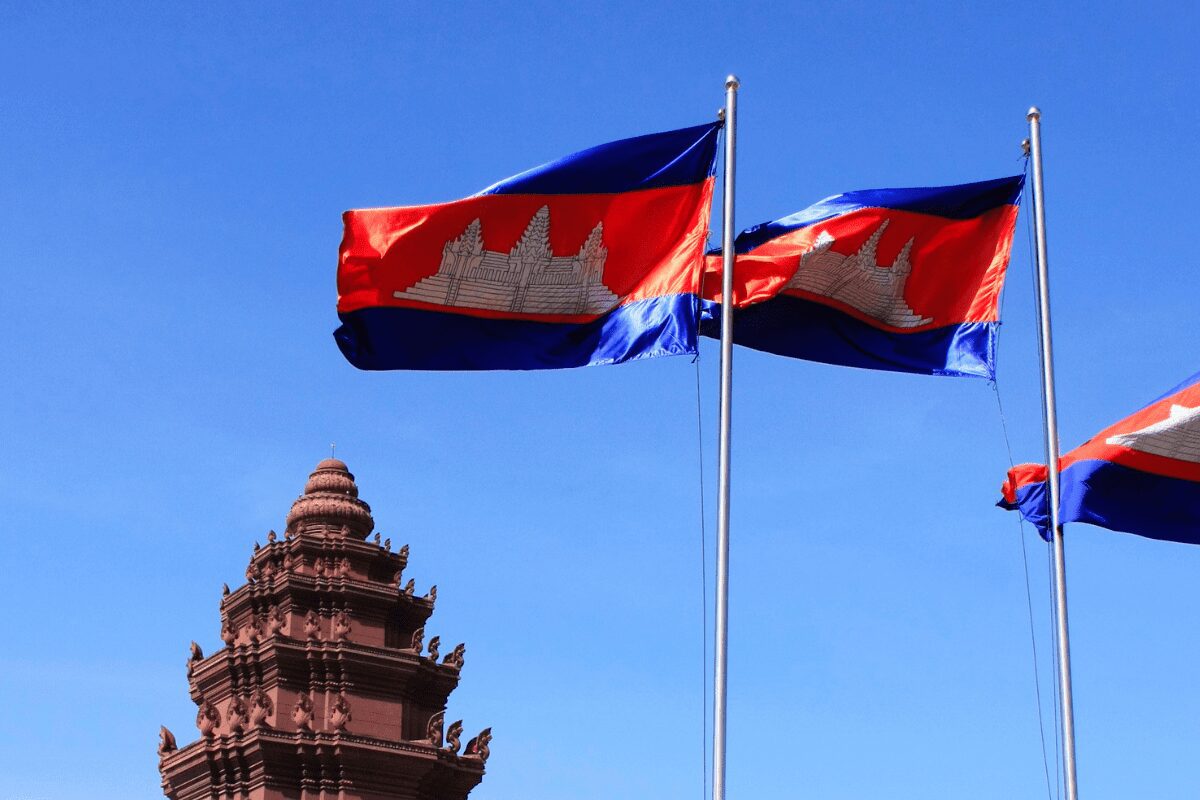
Introduction to the jurisdiction
Cambodia is located in Southeast Asia, sharing borders with Thailand, Vietnam, and Laos. Its gambling industry has a long and complex history, shaped by cultural attitudes and economic strategy. Gambling for Cambodian citizens is officially prohibited under the Law on Suppression of Gambling (1996). However, the country has become a well-known regional hub catering mostly to foreign tourists through legal, licensed casinos.
In 2020, the Law on the Management of Commercial Gambling (LMCG) created a modern regulatory framework for casino gaming and related activities. This law separates the country into different zones, restricting casino operations to specific permitted areas, mostly on the borders or in designated resort locations. The main regulatory authority is the Commercial Gambling Management Commission of Cambodia (CGMC), which oversees all licensing, supervision, and enforcement for the sector.
Importantly, while land-based casinos are legally licensed, Cambodia no longer issues new licenses for online-only gambling operators. Since a government directive in 2019, stand-alone online casino licenses are unavailable; instead, only existing land-based casino licensees may offer online gaming as part of their licensed operation, and only until current certificates expire. This limitation is intended to control illegal activity and protect social order.




Cambodia’s licensing system is structured to cover different types of casino operations:
- Casino license inside an integrated resort: For large entertainment complexes offering a range of services alongside casino gaming. Requires higher investment (minimum capital about USD 200 million) and offers a validity period up to 5 years.
- Casino license outside an integrated resort: For stand-alone casinos located in permitted zones, typically in border towns or specific designated areas. Requires minimum capital of around USD 100 million, with license validity up to 20 years.
Both license types may permit the holder to run land-based gaming operations (such as card games, roulette, slots) and, if already licensed before 2019, may include online casino gaming until their current certificate expires. There are no stand-alone online casino licenses available for new market entrants.
Covered activities:
- Land-based casino gaming: Including table games, slot machines, and roulette.
- No betting or sports wagering is allowed within casinos, but fixed-odds and pari-mutuel betting may be available in separate, limited betting shops, although regulation here remains unclear.
- Online casino gaming as a supplement to an existing casino license (subject to government moratorium and license expiry).
- Manufacturing, supplying, and servicing of approved casino gaming hardware and software require separate licenses.
Strict compliance and application requirements apply, including detailed corporate governance, local company registration, capital minimums, and pre-approved gaming systems. Only foreign nationals may participate as customers in licensed casinos; Cambodian citizens are not permitted, except in certain state-run lotteries.
Cambodia’s model provides an option for international operators seeking a physical presence in Southeast Asia, but due diligence remains crucial due to evolving regulation and strict enforcement priorities.
Cambodia does not issue stand-alone licenses specifically for online casinos. Online gaming activities are only allowed as part of a land-based casino license. This means only established companies operating physical casino venues within permitted gaming zones may legally offer online gambling solutions as an additional service, pending approval from regulators.
Who can apply:
- Only legal entities (companies) incorporated and registered in Cambodia.
- The company must have a clear structure including accountable shareholders, directors, compliance officers, and relevant key personnel.
- Foreign individuals and foreign companies cannot apply directly; they must set up a local company.
- The applicant must demonstrate sufficient financial resources and documented proof of minimum capital requirements.
Minimum capital requirements:
- For casinos located in integrated resorts: Minimum capital of approximately USD 200 million.
- For casinos outside integrated resorts: Minimum capital of approximately USD 100 million.
Key personnel requirements:
- Appointment of qualified directors and management with documented experience in gaming or hospitality sectors.
- Named compliance officer responsible for AML (anti-money laundering) and responsible gambling frameworks.
- Technical staff with certifications for IT systems management, information security, and online gaming operation.
Documentation and technical requirements:
- Full set of corporate documents (business registration, tax certificates, articles of association).
- Detailed business plan showing the operational concept, target markets, financial forecasts, and technical solutions (including online gaming platform details if relevant).
- KYC (Know Your Customer) and AML policies.
- Proof of ownership or lease for a suitable casino property located within designated gambling zones.
- List and credentials of directors, shareholders, and key staff (including police clearances and CVs).
- Certification for all gaming hardware and software (must be bought from a licensed supplier and manufactured within the last 10 years).
- Internal control and risk management policies.
The licensing process — step-by-step
Company set-up and capitalisation
- Register a Cambodian company with the Ministry of Commerce.
- Meet the necessary minimum capital requirement and open a local corporate bank account (funds must be verified).
Preparation of application package
- Prepare all documents listed above, including technical details for both the land-based and online operations.
- Secure a lease or ownership documentation for the proposed casino site within a permitted zone.
Submission to the CGCC
- Submit the complete application to the Commercial Gambling Committee of Cambodia.
Initial review and due diligence
- The CGCC will conduct background checks on all directors, shareholders, and key personnel.
- Inspection of the proposed property and technical systems (including the online gaming solution).
- Request for any additional information if needed.
Regulatory decision
- The CGCC aims to deliver an initial decision within 60 days, but this timeline may be extended if further clarifications are needed or if documentation is incomplete.
License issuance and operational setup
- Upon approval, pay the initial license fee.
- Begin fit-out and technical integration of both land-based and online gaming infrastructure.
- Register all approved games, gaming platforms, and IT systems with the regulator.
Compliance inspection and go-live
- Final site inspection and software/hardware testing carried out by regulatory officers.
- Only after a successful compliance check will operations be permitted to start.
Licensed casino operators in Cambodia are required to comply with a robust set of ongoing obligations set by the Commercial Gambling Committee of Cambodia (CGCC) under the Law on the Management of Commercial Gambling (LMCG). These compliance measures are designed to ensure transparency, protect players, and reduce the risk of crime and abuse.
Key compliance areas include:
- AML/KYC procedures: All operators must implement anti-money laundering (AML) and know your customer (KYC) systems. This involves verifying player identities, monitoring suspicious transactions, keeping detailed records, and promptly reporting unusual financial activity.
- Software and technical audits: Casino systems and gaming software must be sourced from licensed suppliers and be less than ten years old. Regular audits are required to ensure software integrity and fair gaming.
- Reporting duties: Licensed casinos must submit regular financial reports and undergo independent audits, as mandated by the CGCC. These reports include revenue figures, tax contributions, and details on player activity.
- Responsible gambling and player protection: Operators must adopt policies to encourage responsible gaming. This includes providing information on gambling risks, introducing limits on deposits and losses, enabling self-exclusion, and offering access to help for problem gamblers. Strict controls are enforced to prevent local Cambodian citizens from accessing casino gambling—only foreigners may participate by law.
- Operational controls: Operators are also required to maintain transparent internal controls and risk management procedures. This includes having qualified staff, secure IT infrastructure, backup systems, and well-defined business processes for casino operations.
Failure to meet any compliance obligation can result in penalties ranging from warnings and license suspension to full revocation of the casino license.
Licensed casino operators in Cambodia benefit from a competitive tax regime, especially by regional standards.
- Gross Gaming Revenue (GGR) tax: The main tax on casinos is a 7% rate applied to gross gaming revenue. Revenue from mass-market gaming is taxed at this rate, with possible preferential rates for VIP play based on negotiation and specific license conditions.
- Corporate tax and VAT: Standard corporate tax applies to non-gaming revenue. As of now, there is no separate VAT on gambling services, but operators are required to comply with broader tax and accounting regulations for other incomes and business operations.
- Financial advantages: The relatively low GGR tax rate positions Cambodia as an attractive destination for foreign investors looking for online and integrated gaming solutions. The licensing fees are moderate compared to neighboring countries, and permitted license terms can reach up to 20 years for casinos in promoted zones.
- Investment incentives: Integrated resort projects may receive additional incentives or longer license terms, subject to negotiation with Cambodian authorities. Special economic zones and permitted gaming areas offer infrastructure benefits and regulatory support.
These financial factors, combined with straightforward licensing and clear reporting obligations, create a predictable environment for business growth in Cambodia’s regulated gaming sector. However, strict compliance and a clear understanding of the regulatory landscape are critical to maintain good standing and ensure continued eligibility for all the benefits of a Cambodian casino license.
When it comes to operating an online casino under a Cambodia license, technology and IT standards play a central role. Licensed casino operators must maintain robust technological infrastructure, including hosting servers and backup systems, to ensure the safety, stability, and legality of their gaming solution.
Hosting & Infrastructure:
Operators are required to host their gaming software and data within Cambodia. Local data centers are often mandated to keep player data within the country and facilitate regulatory inspections. All hardware and software components used must be supplied by licensed vendors, and equipment should be no older than 10 years to ensure compatibility and reliability.
Data Security:
Keeping both player and operational data safe is a top priority. Casinos must implement recognized security protocols such as SSL/TLS encryption for data transfers, and strong access controls for internal systems. Regular security assessments and vulnerability scans may be required by the regulator.
Software Certification:
All gaming software, including Random Number Generators (RNG), must be pre-approved and certified before going live. Certification typically focuses on fairness, RNG integrity, and the prevention of manipulations. The Commercial Gambling Committee of Cambodia (CGCC), or its designated labs, verify that all gaming outcomes are random and games function as advertised.
Game Fairness & Compliance:
Each game offered online must be individually registered and rules must be clearly documented and approved. The systems need to allow for transparent auditing, so operators must keep detailed logs of all gaming activity that can be checked in the event of a dispute or regulatory review.
Geographic Scope:
A Cambodia online casino license is primarily designed for international business. Although casinos may run both land-based and online operations, they are not allowed to offer games of chance to Cambodian citizens. Only foreigners are legally eligible to play, whether online or in-person.
License Validity Across Borders:
The Cambodia casino license is not universally recognized; its acceptance depends on the laws of each target market. Countries with restrictions on cross-border gambling, such as China and the United States, may actively block or prosecute operators who target their citizens, even if the business is legally based in Cambodia.
International Agreements & Conflicts:
There are currently no major multilateral treaties that guarantee mutual acceptance of a Cambodia-issued online gambling license. In several jurisdictions, especially within ASEAN, offering online gambling services across borders without a local license may violate national laws.
Operational Restrictions:
- All online gambling activity must be linked to a land-based casino already licensed in Cambodia. Standalone online-only licenses are not issued.
- The license does not permit targeting or advertising to Cambodian residents.
- Operators must monitor where their players are accessing games from, and implement geolocation and identity verification to block unauthorized countries.
Examples:
- A casino licensed in Cambodia can accept foreign players who access its online platform from outside restricted zones.
- Players from countries where online gambling is illegal or restricted may be automatically blocked, either by IP filtering or by strict KYC (Know Your Customer) procedures.
This strict separation between allowed and restricted markets helps operators stay compliant and avoid cross-border legal issues. Regular compliance checks by the Cambodian regulator, plus risk management policies within the business, are needed to stay within approved operational limits.
Setting up an online casino in Cambodia involves several key expenses. The government only allows online gambling as an extension of a land-based casino license. Stand-alone online-only casino licenses are not issued. This means that all operators must first establish a physical presence and meet specific requirements under Cambodian law.
Application fees and official charges:
- For casinos outside integrated resorts, the standard application fee is approximately USD 100,000.
- For casinos within integrated resorts, the fee is around USD 200,000.
- These fees are typically paid once during the application, but additional charges may apply depending on the complexity of your gaming solution.
Annual license renewal fees:
- License renewal fees are similar to the original application cost and must be budgeted for each year or as per the specific terms set by the regulator.
- Delayed or missed renewals can result in penalties or suspension of the license.
Additional costs to consider:
- Local agents and legal representation: Cambodian law requires that your company has local legal and tax representation, which results in annual retainers for agents or law firms.
- Software compliance and audits: You need to use gaming software approved by Cambodian authorities and undergo regular software audits. Costs will vary based on your gaming platform, but plan for mandatory third-party audits at least once a year.
- Minimum capital requirement: Operators must demonstrate minimum assets of at least USD 100 million (outside integrated resorts) or USD 200 million (within integrated resorts). While not a fee, this upfront capital is legally required and must be documented.
- Operational expenses: These include staffing, IT infrastructure, physical premises, and implementing compliance programs, such as anti-money laundering controls and responsible gambling measures.
- Taxation: Cambodia charges a 7% gross gaming revenue (GGR) tax. Operators need clear accounting processes to report and pay this tax regularly.
All fees and costs should be confirmed directly with the Commercial Gambling Committee of Cambodia (CGCC), as regulations and processes may update periodically.
Once your online casino license in Cambodia is granted, staying compliant and operationally efficient is an ongoing process. Legarithm provides comprehensive post-licensing services tailored to the needs of casino operators.
Ongoing support for licensees:
- Compliance monitoring: We offer regular checks to ensure your gaming operations meet evolving Cambodian laws and international best practices. This lowers the risk of penalties or license revocation.
- Legal advisory: Our legal team keeps you informed of regulatory changes, helps with reporting obligations, and answers any questions about operational or tax matters.
- Banking and payments: We help set up local and international banking relationships and payment processing tailored for the Cambodian gambling sector. This includes assistance with currency controls and cross-border funds movement.
Additional post-launch solutions:
- Marketing & player outreach: Dedicated support for creating marketing strategies compliant with Cambodian and international advertising standards. Guidance on player acquisition and retention using legal channels.
- Regular auditing: We coordinate annual audits and can recommend trusted audit providers approved by Cambodian authorities. This is essential both for software compliance and financial transparency.
- Troubleshooting and operational support: Prompt help to resolve any issues arising during day-to-day operations, from software glitches to disputes with service providers or questions from the regulator.
We understand that the online gaming landscape in Cambodia is evolving, especially with frequent regulatory changes. Our team stays updated and ready to handle any challenges, so your business can focus on growth and player satisfaction.
For online casino activities in Cambodia, official dispute resolution mechanisms and player protection are limited due to the evolving legal framework. Currently, the Commercial Gambling Committee of Cambodia (CGCC) is the primary regulatory body overseeing the gambling sector, including casino operations offering online gaming as part of their licensed activities. However, there are no specialized government agencies or ombudsman services specifically created to settle disputes between online casino operators and players.
Players seeking resolution for complaints can usually submit their concerns directly to the licensed casino operator. Larger integrated resorts typically have internal customer service and complaints procedures, where disputes related to payments, game fairness, or technical issues are handled. If a resolution cannot be reached, the case may be escalated within the operator or, in rare instances, reported to the CGCC. The regulatory body’s main focus, though, is operator compliance rather than consumer protection; as such, players may find that effective legal recourse is limited, especially for non-residents or those using offshore platforms.
To mitigate risks, players are advised to choose online gaming solutions associated with reputable physical casinos holding a valid license in Cambodia. Unlike many regulated markets, Cambodia does not currently enforce a comprehensive responsible gambling framework or set out strict requirements around player protection, self-exclusion, or dispute mediation. Therefore, players need to exercise caution and check the operator’s procedures before engaging in online casino activities in Cambodia.
Frequently Asked Questions About Online Casino License in Cambodia
Still have a questions?
Is it possible to get an online casino license in Cambodia today?
No. Since August 2019, Cambodia has stopped issuing and renewing online casino licenses. Only physical casinos with existing online operations can continue until their licenses expire. No new standalone online casino licenses are available.
What types of casino licenses are available in Cambodia?
There are two main types of casino licenses: one for land-based casinos outside integrated resorts, and another for casinos within integrated resorts. Both require a physical presence, and neither provides for online-only gambling operations.
Who can own and operate a casino in Cambodia?
Casino operators must be companies registered in Cambodia. The ownership structure must be transparent, with local legal and tax representation. Adequate capital and personnel are required to manage operations and comply with regulations.
What are the capital and fee requirements for a casino license?
For casinos outside integrated resorts, the minimum asset requirement is about USD 100 million, and the license fee is USD 100,000. For those within integrated resorts, the minimum asset requirement is about USD 200 million, with a USD 200,000 license fee. The capital requirement can be phased in for existing operators.
Where are casinos allowed to operate in Cambodia?
Licensed casinos can operate only in designated zones. These are mostly border towns and selected coastal areas like Poipet, Bavet, and Sihanoukville. Gambling is prohibited in other areas, including most of Phnom Penh except for NagaWorld.
What types of gambling activities are permitted under a Cambodian casino license?
Licensed land-based casinos can offer card and dice games, slot machines, and roulette. Betting shops are allowed in some cases but operate in a legal grey area. Only the government may run lotteries; private lottery operations are not allowed.
How are casino operations taxed in Cambodia?
Casinos pay a tax based on Gross Gaming Revenue (GGR) at a standard rate of 7%. Some integrated resorts may have a lower rate for VIP gaming. All taxes must be declared and paid regularly to Cambodian authorities.
Who is allowed to gamble in Cambodia’s casinos?
Only foreign nationals are allowed to gamble in Cambodian casinos, including both physical and permitted online activities. Cambodian citizens are legally barred from all gambling activities except state-run lotteries.
What is the main regulatory body for casinos and gaming in Cambodia?
The Commercial Gambling Management Commission of Cambodia (CGMC/CGCC) oversees all licensing, regulation, and enforcement for casinos and gambling in the country.
What are the risks and penalties for illegal online casino operations?
Illegal online gambling is subject to fines, license suspension or withdrawal, and possible criminal prosecution. Enforcement is stricter in some regions, but unlicensed operations remain a serious legal risk.
Stay in Touch with Us
We are always available
Our team ensures your UAE business setup is smooth, efficient, and compliant with local laws. Contact us today to discuss your project.


Cyprus, Limassol
Franklinou Rousvelt, 170 Limassol Chamber, 3048, Limassol, Cyprus

Estonia, Tallinn
Harju maakond, Tallinn, Kesklinna linnaosa, Tuukri tn 19-315, 10152

UAE, Dubai
Building A1, Dubai Digital Park, Dubai Silicon Oasis, Dubai, United Arab Emirates

Ukraine, Kiyv
Kyiv, Azov Regiment Heroes Street 12, 04212

United States, New York
228 Park Ave S, New York City, New York, 10003, United States
Get in Touch
Leave your inquiry, and our legal team will get back to you as soon as possible. Initial consultation is free of charge and confidential.
Or contact us directly on:

