
UAE trade / trading license
Have questions? We're here to help!
Message us on Telegram or WhatsApp for fast assistance!
A UAE trade (trading) licence is the mandatory permit that lets your company operate legally, trade, open bank accounts, sponsor visas, and sign contracts. Licences are issued on the mainland by the Department of Economy and Tourism in Dubai (or other emirates’ DEDs) and by free zone authorities; mainland entities sell directly across the UAE, while free zone companies access the local market via distributors, and each licence shows its issuing authority for easy online verification. You can choose from practical categories—commercial, industrial, professional, tourism, general trading, and e‑commerce—with multiple activities on one licence; restricted goods like alcohol, pharmaceuticals, and hazardous materials require extra approvals. Typical mainland costs start around AED 12,000 plus AED 150–500 per activity, while low‑cost options include Dubai’s E‑Trader (~AED 1,070 + AED 300 Chamber) and the Instant Licence issued in minutes with a virtual site for the first year. To get one, define your activity and legal form, reserve a name, secure initial approval, sign the MOA (for LLCs), arrange premises and Ejari, then apply and pay via the DET/DED or free zone portal—after which you can download and verify the licence online. Validity is usually one year, so plan renewal early and stay compliant with customs, VAT where applicable, banking, labour, and sector rules.
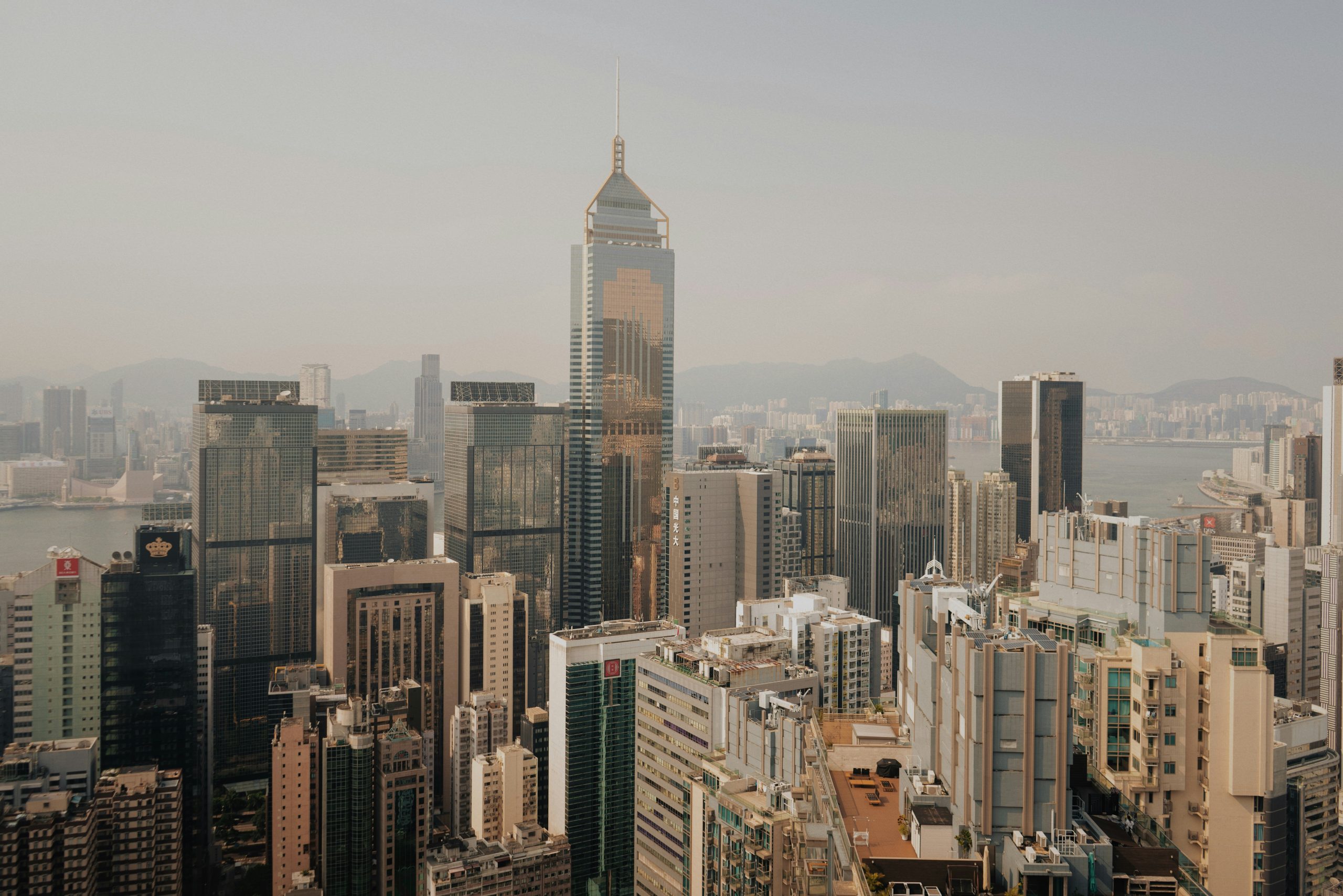
Think of a UAE trade license as your business passport. It is the government’s permission slip that lets your company conduct defined economic activities in the UAE. Without it, you cannot open a bank account, sign a lease, hire staff, or even run basic transactions. In Dubai and other emirates, the issuing authority on the mainland is the Department/Department of Economy and Tourism (DET/DED). In free zones, the free zone authority issues the license.
Here is the part most people mix up: “trade license” is the umbrella term for the right to do business; “commercial license” is a category under that umbrella for buying, selling, import, export, distribution, and commercial brokerage. So the difference between a trade license and a commercial license is scope: all businesses need a trade license, but trading activities sit in the commercial category. Other categories include professional (services), industrial (production and manufacturing), tourism, agricultural, and crafts. A general trading license is a special commercial type that allows combined activities across many products under one license.
Mainland vs free zone vs special zones
On the mainland, your license lets you operate anywhere in the UAE and enter government tenders. You register with the emirate’s Department of Economy and get your office lease registered (Ejari in Dubai). Free zones let you own 100% of the company, enjoy streamlined setup, and often lower fees. You can trade internationally and sell in the UAE through a local distributor or an onshore branch. There are 45+ zones—Dubai Internet City for tech, Dubai Media City for media, DMCC for commodities like gold and electronics, Dubai South for logistics, RAKEZ and UAQ Free Trade Zone for cost-efficient setups, and Dubai World Trade Centre (DWTCA) for a central “world centre” address.
Special rules apply in “designated zones” for VAT. Goods moved between designated zones may have different VAT treatment than normal mainland-to-mainland supplies. This is where many founders ask “is it the same VAT?” Short answer: not always—check the Federal Tax Authority (FTA) rules before you price your products.
Your activities define your category. If you provide services—say, technical services, software development, advertising, or tourism services—expect a professional or tourism license. If you buy and sell—commercial license. If you make things—industrial license. The “general trading” category sits inside commercial and lets you put a wide list of products under one license. It is popular because it is flexible, great for import/export, and good for multi-product e-commerce. It is not a free-for-all: items like alcohol, tobacco, pharmaceuticals, medical devices, weapons, or crypto services need specific approvals or a different license entirely.
A license can include more than one activity, and you can sometimes combine related activities—like auto spare parts, electronics accessories, and general foodstuff—under general trading in a free zone. On the mainland, DET is stricter about combinations. If your economic activity needs approvals, the issuing authority asks you to bring them before your license is issued.
Special cases you keep asking me about
- Alcohol: not covered by a general trading license. It requires special approvals and permits (including security-related permissions) before you can import or sell. Restaurants need a tourism/commercial license plus relevant alcohol permits if they will serve it.
- Gold and precious metals: typically routed through DMCC or the mainland with strict KYC/AML verification and, in some cases, security checks. Expect extra compliance steps and bank scrutiny.
- Foodstuff and frozen fish: importers need municipality registration, product approvals, and health certificates. Frozen fish, frozenfish, or other chilled items trigger cold-chain declarations. Labeling rules are strict—Arabic labels matter.
- Cosmetics and personal care: product registration with Dubai Municipality (Montaji) or equivalent in other emirates before sale. Expect testing and certificate attestation.
- Electronics: low-voltage and telecom equipment can require ECAS/ECMARK approvals (via ESMA/TII). CCTV and security systems may require SIRA approvals in Dubai.
- Auto spare parts: common, allowed under commercial/general trading; ensure authenticity and safety declarations.
- Construction materials and tools: straightforward trading. Yes, you can even sell a simple garden hoe, EV charging hardware, or industrial color pigments—as long as you pick the right activity and meet any applicable standards.
Start with your activity. The activity controls your legal form (LLC, branch, sole establishment), the category (commercial, professional, industrial, tourism), and which government approvals you need. Then choose your jurisdiction: mainland or free zone. Mainland gives you direct access to the UAE market. Free zones offer fast setup, 100% ownership, and often lower cost. If you want to sell on Amazon.ae or Noon, either structure works, but the practical steps differ.
Pick a trade name that follows the naming rules (no offensive words, no religious references, no government names, no third-party trademarks). Reserve it, then apply for initial approval. If you are a foreign shareholder, immigration clearance may be required before or alongside initial approval. Draft and sign the Memorandum of Association for an LLC. Secure your office or virtual office (some zones allow a flexi-desk or a virtual office option). Upload documents on the portal of your issuing authority and pay fees. In Dubai, there is also an “Instant” license for certain activities, which can be issued in minutes with Dubai Chamber membership embedded, and often with a virtual site for the first year.
A sample setup path and cost breakdown (low-cost and standard)
Low-cost free zone, general trading (e.g., UAQ FTZ or RAKEZ):
- Government fees: from AED 7,500–12,500 depending on visa quota and activity set
- Office: flexi-desk/virtual office from AED 3,000–7,000
- Establishment card and e-channel (if applicable): AED 1,500–2,500
- Optional visas: AED 3,500–5,000 per visa (government fees only)
- Bank account: no fee to open, but minimum balances vary
Mainland Dubai, commercial license:
- DET license fees and activity fees: typically AED 10,000–18,000
- Trade name, initial approval, and innovation/knowledge fees: AED 1,000–2,500
- Office lease (Ejari): from AED 15,000–30,000 for a small space
- MOA notarization/typing: AED 1,000–2,000
- Dubai Chamber membership: AED 1,200–3,000 depending on activity
These are sample numbers only—actual cost depends on category, number of activities, visa quotas, and whether external approvals apply. Ask your issuing authority about installment plans; many zones now let you pay government fees in installments.
Documents, attestation, verification and uploads
Expect to upload passport copies for all shareholders, a clean color image of each passport page, proof of address, and a clear activity list. Corporate shareholders need a chain of documents: certificate of incorporation, certificate of incumbency, MOA/AoA, and a board/stakeholder resolution to set up the UAE entity. If the parent is foreign, these corporate documents need notarization and consular/legalization, plus UAE Ministry of Foreign Affairs (MOFAIC) attestation.
When you start importing, your customs broker will ask for commercial invoices, a packing list with HS codes, and a certificate of origin attested by the Chamber of Commerce in the exporting country. Food imports need health and (for meat) halal certificates. Most authorities have a portal or app where you can track status inquiry, verify a license, renew, update information, or download a copy of your renewed license. In Dubai, you can search the license registry by trade name or number. If you ever see an odd reference like application 515205 for “GUSAN LLC,” that is just a sample I use when teaching clients how to verify a license by govt portal—do your own search for your real file.
If you trade goods, register with Customs and obtain an importer code for the emirate where your goods land. Free zone companies register with the zone’s customs gate and can import into the zone duty-free until goods are released into the mainland, at which point customs duty and VAT may apply. Mainland companies import directly with their code.
Register for VAT with the Federal Tax Authority when you hit the mandatory threshold or voluntarily if it suits your model. Free zone entities are usually subject to the same VAT framework as mainland companies, except for special “designated zones” where movements of goods may be outside VAT under specific conditions. If you are selling B2C onshore, charge VAT. If you export, you may zero-rate. Keep your tax invoices, and do not forget that even a general trading company needs proper bookkeeping.
E-commerce: can I sell on Amazon.ae, Noon, or my own site without a license?
No. Marketplace onboarding teams will ask for your trade license, VAT certificate (if registered), bank IBAN, and often a UBO/KYC check. A payment gateway for your own website will also request your company license and sometimes your office lease. If you sell “for sale” items like food, cosmetics, or electronics, the platforms may ask for product certifications (Montaji for cosmetics, health certificates for foodstuff, ECAS for certain electronics). An e-trader (category “e”) license is available in Dubai for home-based entrepreneurs, but it is limited and not a substitute for importing at scale.
Pro tip: if you are an expat or expatwomen founder getting into online trading, a freezone setup with a virtual office plus a bank that supports e-commerce merchants is often the fastest route. Dubai Internet City or Dubai Media City suits app developer and media/advertising startups, while DMCC or RAKEZ suits product traders. Noon seller and Amazon seller teams both accept free zone licenses—just follow their category policies.
Licenses are typically valid for one year. Handle renewal early to avoid late fees. If your license expired, you can usually renew within a grace window by paying renewal fees plus penalties. You will need a valid lease and, if applicable, updated external approvals. The portal will let you renew online, upload documents, and download your renewed license. Keep your Chamber membership and establishment card in sync; mismatches cause “remarks” on your file.
You can request a freeze (government “freeze” or “freezing” service) if you want to pause operations without canceling, subject to conditions. It is useful when you have an old license with no economic activity and want to stop paying full renewals for a season. If your strategy changes, file a change of information: add or remove activities, change the trade name, shift to a new office, or update managers. If you are done, cancel properly—clear visas, close tax accounts with the FTA, publish liquidation notices if required, and get a final cancellation certificate. Do not leave a zombie company; banks and the government remember.
Compliance and the red lines: forex, cryptocurrency, network marketing
Do not try to run forex brokerage, cryptocurrency exchange, or bitcoin custody under a general trading or commercial license. These are regulated by the Securities and Commodities Authority or, in Dubai, by VARA. You will need a specific license and security/technology audits. Selling mining rigs or crypto “packages” is not the same as operating a regulated service. The authorities have seen every trick.
Likewise, be careful with multi-level marketing and schemes that look like Qnet clones. If your “business model” is recruitment fees and a vague product, expect trouble. Keep advertising honest—outdoor ads need approvals, and online ads must follow content standards. If you trade security equipment, expect SIRA compliance. If you trade medical products, deal with MOHAP and emirate health authorities. Compliance first, clever marketing second.
FAQs I get in my DMs
Still have a questions?
What is the cheapest way to get a UAE trading license?
A lean free zone package with a flexi-desk is usually the low-cost path. But “cheap” must still fit your activity, visa needs, and bank acceptance. Balance low fees with practical needs like customs access.
How much are the government fees to set up?
For a simple free zone commercial or general trading license, budget AED 10k–20k all in (no visas). For mainland Dubai, AED 20k–35k plus rent. Industrial licenses cost more due to facility and HSE requirements.
Do I need a license to sell online?
Yes. Whether you sell on your site, on social media, on Amazon.ae, or on Noon, you need a license. Gateways will not onboard you without one.
Which authority issues my license?
Mainland: the emirate’s Department of Economy. Free zones: the respective free zone authority. For special activities, add approvals from the Ministry of Economy, MOHAP, SIRA, ESMA/TII, Securities and Commodities Authority, or tourism/media regulators.
Can I combine activities under one license?
Often yes, especially inside general trading in a free zone. Mainland is stricter. Some combinations—alcohol, pharma, weapons—are excluded or need special clearance.
What is a general trading license, in simple terms?
It is a commercial category that lets you trade a wide range of goods under one license. It is flexible for import/export and re-export. You still need product approvals for regulated goods.
What about VAT—same rules for free zone and mainland?
Broadly yes, but designated zones have special treatment for goods in some cases. Check the FTA guide before invoicing.
How do I verify a company license?
Use the government portal/app to search by name or number and view status inquiry. You can download a copy or certificate for attestation when needed.
Can I set up without an office?
Free zones often offer virtual office/flexi-desk. Mainland Dubai now allows an instant license with a virtual site in year one for some activities, but you will eventually need a lease.
We are a restaurant or tourism startup—do we still need a trade license?
Yes, under tourism/restaurant categories. Add food control permits and, if serving alcohol, relevant approvals. Media agencies need a media or professional activity; app developers sit under professional/technology.
Can I buy in installments?
Many free zones allow installment payments for license fees. Banks sometimes offer a payment plan on corporate cards.
What if I need to change the contract or company information?
File a change with the issuing authority. Update the MoA for structural changes. Always keep the lease, manager, and activity list current.
I want to trade EV charging units, construction tools, and paint color pigments—possible?
Yes, as commercial activities. Add any applicable standards approvals. That hoe in your catalog will be just fine.
We plan to trade in Dubai South or at Dubai World Trade Centre—any advantage?
Logistics and address prestige. Dubai South suits warehousing; DWTCA suits events and proximity. Pick the area that fits your supply chain.
I saw “commerical” on my draft—problem?
Only the spelling. Correct it to “commercial” before you upload or the portal will reject the trade name or activity description.
Do expats face extra steps?
Mostly immigration and, for some sectors, security checks. Expat founders (including expatwomen leading the cap table) successfully set up LLCs every day.
What about “without license” side hustles on social media?
Do not. The government is serious about consumer protection. Get the right license, register for VAT when due, and sleep well.
How do I remove remarks on my file?
Clear the cause—overdue renewal, missing attestation, or unpaid fines—then request an update. If your license is expired, renew; if you are closing, cancel fully.
Can I do cryptocurrency services under general trading?
No. Different category, different regulator. Same story for regulated forex.
What is “attestation” in this context?
Getting your foreign documents stamped by your local notary, UAE Embassy abroad, and MOFAIC in the UAE so your issuing authority accepts them.
| Topic or question | Clear answer | Typical fees (AED) | Issuing authority / portal | Core documents | Practical notes and pitfalls |
|---|---|---|---|---|---|
| What is a UAE trade (trading) license? | It is the legal permit to run a business in the UAE. Without it, you cannot trade, invoice, open a bank account, or employ staff. | Licence issuance from 3,000 to 20,000+ depending on jurisdiction, activities, and visa quota. | Mainland: Department of Economy and Tourism (DET/DED) of each emirate. Free zones: their own authorities (e.g., DMCC, RAKEZ, UAQ FTZ). | Application form, passports, trade name reservation, initial approval, MOA (if LLC), lease/Ejari or flexi-desk, external approvals (if any), fee payment. | Choose activity first; it decides licence type and approvals. Operating without a licence is illegal. |
| Mainland vs free zone (jurisdictions) | Mainland lets you trade anywhere in UAE directly. Free zones offer 100% foreign ownership, lower cost, and simple setup; for UAE onshore trade you sell via a mainland distributor or get mainland permits/dual options where available. | Mainland licence often 10,000–18,000. Free zone packages 6,000–15,000 (no visa), 10,000–20,000 (with visas). General trading add-on 2,000–5,000. | Mainland DET/DED in each emirate. Free zones: DMCC, IFZA, RAKEZ, UAQ FTZ, Ajman Free Zone, SAIF Zone, SPC Free Zone, JAFZA, DAFZ, Fujairah Creative City, DWTCA, etc. | Same baseline docs; free zones accept digital copies, mainland may need notarised MOA and Ejari. | Free zones vary by sector focus (gold at DMCC; media at DMC; tech at DIC). Check customs and VAT rules for “designated zones.” |
| Types of licences (categories) | Commercial (trading, brokerage), Industrial (manufacturing), Professional (services), Tourism, Agricultural, Crafts/Technical, General Trading (broad trading), e-commerce/portal. | Application/activity fees 150–500 per activity line; general trading premium common. | DET/DED or free zone authority. | Activity list, MOA if LLC, lease, approvals for regulated items. | You can add multiple activities to one licence if allowed; some combos need extra approvals. |
| Difference between “trade licence” and “commercial licence” | “Trade licence” is the umbrella term for permission to operate. “Commercial licence” is a subtype for buying/selling goods and trade-related services. | Same fee logic as the chosen activities. | Same as above. | Same as above. | If you are trading goods, you generally need a commercial licence; “general trading” is a commercial licence with broader activities. |
| General Trading Licence (in general) | Lets you trade many goods under one licence, except restricted items needing special approvals (e.g., alcohol, tobacco, weapons, medical). | Free zones: 12,000–25,000; Mainland Dubai: often 15,000–30,000+ with office. | DET/DED (mainland) or free zones (e.g., UAQ FTZ, RAKEZ, DMCC). | Standard company docs; extra for regulated items. | You can import/export and sell in UAE via mainland distributors if in a free zone. |
| Cheap or low-cost setup options | Free zone zero-visa packages from 6,000–10,000. Dubai e-Trader (home-based online) from about 1,370. Instant licence (Dubai) from about 3,000–8,000 for year 1 with virtual site. | 1,370+ for e-Trader; 3,000–8,000 Instant; 6,000–10,000 starter free zone trade packages (activity limits apply). | Dubai Invest in Dubai portal (e-Trader, Instant). Many free zones offer promo bundles. | ID/Unified Number, name reservation, basic forms; e-Trader is for Dubai residents only. | Cheapest options limit activities, visas, and physical signage. Read inclusions (Establishment Card, lease, P.O. box, activity caps). |
| How to get a licence (step-by-step) | 1) Pick activities. 2) Choose jurisdiction. 3) Name reservation. 4) Initial approval. 5) Draft MOA (LLC). 6) Lease/Ejari or flexi-desk. 7) External approvals (if needed). 8) Pay fees and collect licence. | Processing fees embedded; external approvals add cost. | DET/DED portals, Invest in Dubai, Abu Dhabi TAMM, Sharjah DED, Ajman DED, UAQ DED, RAK DED, Fujairah Municipality; or free zone portals. | Passports/IDs, photos, MOA, lease, NOC (if required), corporate docs (if shareholder is a company). | Foreign shareholders may need GDRFA security check for initial approval. Time: free zones 1–5 days; mainland 3–15 days; Instant 5 minutes. |
| Renewal, validity, expired licences | Licences valid 1 year, renew annually. Late renewal draws fines and system blocks; operations must stop when expired. | Renewal usually 60–80% of initial cost; admin and market fees apply. | Same issuing authority as issuance. | Renewed lease/Ejari or facility agreement, activity list, UBO/ESR/VAT kept current. | Keep calendar reminders. Marketplaces and banks will ask for the renewed copy; upload it promptly. |
| Licence freezing vs cancelling | “Freeze/suspend” pauses activity for a period (fees apply). “Cancel” fully deregisters the entity after clearances. | Freeze: 1,000–2,500+; Cancellation: 1,500–5,000+ plus clearances. | DET/DED or free zone portal. | Clearances: immigration, labour, utilities, bank, customs, FTA VAT, lease. | Freezing avoids renewal while you regroup. Cancellation is final; settle liabilities first. |
| Change of details (name, activity, address) | Amendments are allowed; each change needs an amendment approval and reissued licence. | 500–2,500+ per amendment depending on emirate/zone. | Same issuing authority. | Amendment form, board/company resolution, updated MOA addendum, new lease (if address change). | Some activity changes trigger external approvals and new fees. |
| Verifying a licence (search) | Use the emirate DET/DED or free zone “verify licence” tool. Search by trade name or licence number. | Free. | DET/DED sites, free zone portals, or apps (e.g., Dubai Now). | Licence number, entity name, or owner’s details. | Check status, activities, and expiry before contracting with a counterparty. |
| Getting a copy / download my licence | Most portals let you download the e-licence PDF after issuance or renewal. | Often free or small print fee. | Det/DED, free zone e-services, Dubai Now app. | Account login + OTP. | Keep copies for banks, suppliers, marketplaces, and FTA. |
| Customs code and import setup | After licensing, register with Customs and get an importer/exporter code. | 100–1,000+ depending on emirate; renewal may apply. | Federal Customs Authority + emirate customs (Dubai Customs, Abu Dhabi Customs, etc.). | Trade licence, lease, specimen signature, owner IDs. | For imports: invoice, packing list, HS codes, certificate of origin; MOFA attestation may be needed. |
| VAT and FTA (TRN) | Standard VAT 5%. Register if taxable supplies exceed AED 375,000 in 12 months or will in next 30 days. | FTA registration is free; penalties for late registration/filing. | Federal Tax Authority (FTA) e-Services. | Trade licence, MOA, passport/Emirates IDs, bank IBAN, turnover proof, lease. | Update marketplaces/banks with TRN. Some designated free zones have special VAT rules; seek advice. |
| Bank account and payment gateway | A UAE business account and gateway need a valid licence, KYC pack, website/app, and processing narrative. | Bank KYC fees vary; gateways charge setup + MDR (2–4% typical). | UAE banks; payment providers (Network, PayTabs, Telr, Stripe Atlas UAE rollout, etc.). | Licence, MOA, lease, UBO/KYC, invoices, site screenshots, privacy/returns policy. | High-risk items (crypto, forex, alcohol) face stricter due diligence or rejection. |
| Online trading and e-commerce | You can sell online under a commercial/e-commerce activity. Dubai’s e‑Trader suits home businesses selling via social media. | E‑Trader about 1,370 total (as published); e‑commerce in zones from 6,000–15,000+. | Dubai Invest in Dubai (e‑Trader), free zones (SPC Free Zone, IFZA, RAKEZ e‑com bundles). | Basic IDs, activity selection, name. | E‑Trader is for Dubai-based individuals; no visa quota; limited to Dubai. For UAE-wide B2B, use a full trade licence. |
| Amazon.ae / Noon seller requirements (2025) | Yes, you need a valid UAE trade licence to sell as a resident business. Upload renewed licence when due. TRN required if you meet VAT threshold; marketplaces may still request TRN proactively. | Marketplace fees vary by category + commission. | Seller Central (Amazon); Seller Lab (Noon). | Trade licence, Emirates ID, bank IBAN, utility bill, TRN (if registered). | Food, cosmetics, electronics need compliance docs. Keep insurance and returns policy active. |
| Foodstuff trading (including frozen/frozenfish) | Allowed with “Foodstuff Trading” activity. Frozen items need cold-chain compliance and municipality food control approvals. | Activity fees + approvals 1,000–5,000+; warehouse cost separate. | Municipality food control (Dubai Municipality/Abu Dhabi ADAFSA), DET/zone. | HACCP plan (if required), warehouse lease, importer registration, health and Halal certificates for imports. | Expect inspections. Perishables need strict labelling, shelf-life, and temperature logs. VAT usually 5%. |
| Restaurant / food production | Requires professional/industrial activities plus municipality kitchen approvals. | Fit-out NOC + approvals can add 5,000–20,000+. | Municipality + DET/DED or free zone (e.g., DCCA for media areas with F&B). | Layout drawings, grease trap plan, staff health cards, HACCP. | Separate liquor permit needed for alcohol service where allowed. |
| Electronics trading | Straightforward under commercial trading; ensure proper standards for chargers/batteries. | Standard licence fees; product approvals vary. | ESMA/MOIAT for product conformity; Customs. | ECAS/CoC for regulated devices, test reports, HS codes. | Lithium batteries and chargers have tighter import rules. |
| Gold and jewellery | Best housed in DMCC or gold-focused zones. AML/CFT obligations apply. | Licence 20,000–40,000+ depending on package + compliance. | DMCC, DET (mainland), MOE for AML registration, Customs. | Compliance programme, KYC/KYCC, responsible sourcing, FIU goAML registration. | Expect audits and KYC on counterparties. Cash transactions thresholds apply. |
| Auto spare parts | Common trading activity; watch for counterfeit IP risks. | Standard trading fees; brand approvals if required. | DET/zone; Customs; sometimes ESMA for safety parts. | Invoices, HS codes; brand owner NOCs for trademarked parts if needed. | Keep warranty/fitment disclaimers clear. |
| Construction materials / technical services | Trading in materials is commercial; contracting/technical is professional/crafts; some categories need external approvals. | Approvals 1,000–10,000+ depending on scope. | Municipality (Dubai Municipality, Abu Dhabi DMT), DET/zone. | Engineers’ qualifications (for certain grades), insurance. | For EV charging installations, coordinate with DEWA/ADD. |
| Advertising / media / app developer | Use media or tech free zones (DMC, DIC, twofour54, DWTCA) or mainland professional licence. | Free zone media packages from 10,000–20,000+. | DMC/DIC/DWTCA/twofour54 or DET. | Portfolio, concept brief (some zones may ask). | Content and ad claims are regulated; follow NMC advertising standards. |
| Alcohol trading | Highly regulated; special permits required; usually not allowed in most free zones for retail. | Licensing and compliance costs high. | Local authorities (e.g., Dubai Police and authorised distributors), DET; Customs. | Security clearances, warehouse, transport permits. | Not covered by general trading. Expect strict quotas and audits. |
| Pharmaceuticals and medical devices | Need MOHAP/DOH approvals; not covered by general trading alone. | Approval fees and local QMS costs vary. | MOHAP, DOH/DOH-Abu Dhabi, DHA (for Dubai facilities). | Importer/manufacturer licences, product registrations. | Plan long lead times and specialist compliance. |
| Forex and cryptocurrency | Regulated. Requires SCA licence (securities/forex) or VARA (Dubai) or ADGM FSRA (Abu Dhabi). | High capital and compliance costs. | SCA, VARA, ADGM FSRA, DIFC DFSA. | Regulatory application pack, capital, policies, fit-and-proper. | General trading licence is not valid for these activities. |
| Tourism activities | Use tourism licence for travel agency, tour operator, camps, cruise rentals. | Tourism fees, insurance, bank guarantee may apply. | DET/DED tourism departments or free zones with tourism scope. | Qualified manager, insurance, NOCs. | Some activities need security and maritime approvals. |
| Industrial/manufacturing | Requires industrial licence; MOIAT oversight and sometimes environmental approvals. | Industrial licence 15,000–40,000+; capex and utilities extra. | DET/DED + MOIAT; zones like KIZAD/KEZAD, RAKEZ Industrial. | Factory plan, machinery list, HSE, lease of industrial space. | Incentives for exporters; check designated zones for customs/VAT. |
| Document attestation and certificate of origin | Commercial docs and COOs need attestation for imports. | MOFA attestation fees per document. | Ministry of Foreign Affairs (MOFA), Chambers of Commerce (COO). | Invoices, packing lists, COO from origin chamber. | Missing attestation delays customs clearance. |
| External approvals (security, legal, SCA) | Certain activities need extra approvals before licence issuance. | 500–10,000+ depending on authority. | Security entities, Securities & Commodities Authority, municipalities, health regulators. | Activity-specific forms, background checks. | Build time and budget for approvals into your plan. |
| Ejari/lease and virtual office | Mainland usually needs Ejari-registered lease. Some options: Instant Licence year 1 virtual site. Free zones often accept flexi-desk. | Ejari/office from 8,000–30,000+ annually depending on size/location. | Ejari (Dubai), free zone facility teams. | Tenancy contract, site photos (sometimes). | Banks prefer physical space; flexi-desk is fine for many free zones. |
| UBO, ESR, AML | Maintain Ultimate Beneficial Owner records, file Economic Substance (if in scope), and AML registration for relevant sectors. | Filing fees minimal; penalties for non-compliance are high. | MOE UBO/ESR portals; goAML for DNFBPs. | Ownership charts, substance tests, AML policies. | Audited accounts often required on renewal in select zones. |
| Marketplace category restrictions | Food, cosmetics, electronics, and auto parts need compliance certificates. Gold/jewellery needs AML controls. | Testing and registration fees vary by product. | ESMA/MOIAT, municipalities, MOHAP for cosmetics with actives. | SDS, test reports, label approvals. | Upload renewed licence and certificates to marketplaces on time. |
| Can I sell alcohol, tobacco, or medicines with a general trading licence? | No. These are restricted and require special licences. | High. | Relevant local/federal regulators. | Activity-specific approvals. | Plan separate entities or permits if you enter these markets. |
| “Instant Licence” (Dubai) | One-year quick licence with virtual site; certain legal forms supported; no external approvals. | 3,000–8,000 for issuance (varies by activity). | Invest in Dubai portal. | ID/Unified Number, name reservation, activity selection. | Convert to full lease before year 2 renewal. |
| “e‑Trader” (Dubai) | Online/home business for Dubai residents selling via social media/web. | ~1,070 fees + 300 chamber membership (indicative). | Invest in Dubai portal. | Emirates ID/Unified Number, name, activity. | No visas, limited scope; not for physical shops. |
| Export/import documentation | Invoice, packing list with HS codes, COO, bill of lading/air waybill, import permits (if needed), health/Halal for food. | Normal customs duties 0–5% (most goods 5%); VAT typically 5%. | Customs, FTA, municipalities. | Attestations as required; Halal for meat/poultry. | Use correct HS code to avoid fines. |
| Attestation of company documents (foreign shareholders) | Foreign corporate docs must be notarised and legalised up to MOFA UAE. | Per-document fees abroad + MOFA fee in UAE. | MOFA, UAE embassy/consulate in origin country. | COI, MOA, incumbency, resolution. | Plan extra weeks for legalisation. |
| Renewed certificate upload (portals, marketplaces, banks) | Always upload the renewed trade licence, VAT TRN, establishment card when requested. | Free. | Marketplace dashboards, bank portals, immigration e-channel. | PDF copies of new licence/TRN. | Failure to update may suspend payouts or listings. |
| Issuing authority list (examples) | Dubai DET, Abu Dhabi DED (TAMM), Sharjah DED, Ajman DED, UAQ DED, RAK DED, Fujairah Municipality; free zones like DMCC, JAFZA, DAFZ, IFZA, RAKEZ, UAQ FTZ, Ajman Free Zone, SAIF Zone, SPC Free Zone, DWTCA, twofour54, KEZAD. | N/A | N/A | N/A | Choose by activity, cost, market access, and sector ecosystem. |
| Zones best for trading | UAQ FTZ (cost-effective trading, general trading allowed except restricted items), RAKEZ (flexible facilities), DMCC (commodities, gold), IFZA/SPC (SME-friendly e-commerce/media). | 6,000–25,000+ depending on package/visa. | Respective free zone authorities. | Standard company KYC. | Compare visa quotas, audit requirements, and warehouse options. |
| Government apps and portals | Invest in Dubai, Dubai Now, TAMM (Abu Dhabi), Sharjah Invest, Ajman One, RAK DED portal, UAQ DED, Fujairah’s Rukhsati app; FTA e-Services; Customs portals. | Mostly free access. | As named. | Login/OTP. | Use these to reserve names, renew, pay, and download licences. |
| Security approvals and background checks | Needed for certain legal/security-related activities; foreign shareholders may need GDRFA approval. | Included in process or separate fees. | GDRFA, police, SCA, SIRA (security systems in Dubai). | IDs, qualifications, NOCs. | Add time to your plan for clearances. |
| Combined/dual activities (e.g., trade + services) | Possible if the authority allows. Some zones issue combined packages; Dubai allows dual licensing in select ecosystems. | Add-on 1,000–5,000+ per extra activity group. | DET/DED or the chosen free zone. | MOA addendum, updated activity list. | Check if your bank accepts mixed activities under one account. |
| Instant advantages of licensing | Legal operations, banking, visas, contracts, utilities, credibility, access to tenders, full profit repatriation. | N/A | N/A | N/A | No minimum paid-up capital for most SMEs; some regulated sectors differ. |
| Penalties and remarks removal | Fines apply for late renewal, UBO/ESR non-compliance, or activity breaches. Clear dues, file pending returns, request remark removal. | Variable; late renewal can accrue monthly. | DET/DED or free zone compliance teams; FTA for tax. | Payment receipts, compliance filings. | Keep compliance calendar (licence, lease, VAT, UBO, ESR, audit). |
| Status inquiry and incorporation date | View entity status, incorporation date, and history on issuing authority portal. | Free. | DET/DED and free zone registries. | Trade name/licence number. | Useful for tenders and KYC. |
| Do I need a licence to sell on the internet/social media? | Yes. Use e‑Trader (Dubai only) or a standard e‑commerce/trade licence in mainland or a free zone. | See e‑Trader and e‑commerce fees above. | Invest in Dubai or free zones. | IDs, activity, name. | Marketplaces will still ask for a formal trade licence. |
| Payment in installments | Some authorities and zones allow instalment plans via partners. | Admin/interest may apply. | Free zones and DET partners. | Post-dated cheques or direct debit. | Check penalty for missed instalments. |
| Company with “no economic activity” | Not allowed. Your licence must list activities. | N/A | N/A | N/A | Pick accurate activity codes to match your real business. |
| Upload, renew, verify cycle (annual) | Renew licence -> renew lease -> update VAT -> update Customs -> update marketplaces/banks -> verify status online. | Renewal + minor admin. | Issuing authority, FTA, Customs. | Renewed docs PDFs. | Keep one shared compliance folder for easy uploads. |
| Sample cost: Dubai mainland LLC (general trading) | Name reservation 620; Initial approval 120; MOA drafting/notary 1,000–2,000; Licence issuance base 12,000+; General trading add-on 3,000–5,000; Market/knowledge/innovation fees 1,000–2,000; Ejari office 12,000–25,000; Establishment Card 700; Immigration file 500; Total first year commonly 30,000–50,000+. | 30,000–50,000+ first year; renewals lower if office fixed. | Dubai DET, Ejari, GDRFA. | Standard pack + lease. | Fees vary by promotions, area, and activity. |
| Sample cost: Free zone trading (1 visa eligibility) | Licence 10,000–15,000; General trading add-on 2,000–4,000; Flexi-desk/facility 3,000–6,000; Establishment Card 500–1,500; Immigration file 500–1,000; Total 16,000–25,000. | 16,000–25,000 first year. | Zone authority. | Standard digital KYC. | Often fastest route for expats starting small. |
| Expat ownership and visas | Most sectors allow 100% foreign ownership. Licences enable investor and employee visas. | Visa costs 3,500–7,500 per person (medical/ID/insurance extra). | GDRFA/ICP via issuing authority. | Licence, Establishment Card, E-channel, labour file. | Keep salary transfer and WPS compliance if you hire. |
| “Do I need a licence to sell fish or frozen fish?” | Yes. Foodstuff trading with municipal approvals; frozen requires cold-chain. | See foodstuff row. | Municipality + DET/zone. | HACCP (if applicable), cold storage lease. | Meat/fish imports need health and Halal certificates. |
| “Can I trade bitcoin or run a forex app with a general trading licence?” | No. You need SCA, VARA, ADGM FSRA, or DFSA authorisation. | High regulatory cost. | Respective regulators. | Full regulatory application. | General trading does not cover financial services. |
| “LLC vs sole establishment” | LLC limits liability; suits multi-partner setups. Sole establishment ties liability to the owner. | Same government fees; MOA needed for LLC. | DET/DED or free zones. | LLC MOA; sole needs fewer corporate docs. | Banks prefer LLC for trade. |
| Industrial security and ministry approvals | Security systems trading/installation needs SIRA (Dubai) and sometimes MOI approvals. | 2,000–10,000+ for approvals/certifications. | SIRA, MOI, municipality. | Qualified engineers, equipment certificates. | Needed for CCTV, alarms, access control businesses. |
| World Trade Centre and city-specific zones | Dubai World Trade Centre Authority (DWTCA) hosts events, media, and tech. Dubai Internet City/Media City for tech/media. | Packages vary: ~15,000–30,000+. | DWTCA, TECOM (DIC/DMC). | Standard KYC + activity fit. | Good for proximity to clients and sector clusters. |
| Government verification and inquiry | You can check licence validity, fines, and renewal eligibility on authority portals or apps. | Free. | DET/DED, free zones, Dubai Now. | Licence number. | Screenshots often accepted by counterparties as evidence of good standing. |
| Advantages of DED vs free zone | DED: direct UAE market access, stronger for retail and government tenders. Free zone: lower cost, simpler setup, 100% ownership, cluster benefits. | N/A | N/A | N/A | You can always open a mainland branch later if needed. |
| Authority for issuing and renewal | Same body that issued your licence handles renewals and amendments. | Standard renewal fees. | DET/DED or zone. | Renewed lease, UBO/ESR confirmations. | Renew before expiry to avoid late fines and marketplace suspensions. |
| App developer / software / SaaS | Professional licence or tech free zone. Add e‑commerce if you sell subscriptions online. | 8,000–20,000+ depending on zone/package. | TECOM (DIC), IFZA, SPC, RAKEZ, DET. | Pitch/website, licence app narrative. | Consider data residency and cross-border tax if global sales. |
| QNET/MLM and similar | Direct selling is restricted and heavily scrutinised; most MLM models are not licensable. | N/A | DET and consumer protection units. | N/A | Avoid schemes that breach anti-pyramid regulations. |
| Security ministry/authority mentions | Activities touching national security, securities, or public order need upfront clearance. | Varies. | Security services, SCA, Police, GDRFA. | Background checks. | Expect extra time and disclosures. |
| Installation, technical services, maintenance | Professional/crafts licence; for electrical, plumbing, AC, approvals may apply. | 6,000–15,000+ in zones; mainland similar + municipality fees. | DET/municipality or zones. | Technicians’ qualifications in some cases. | Add trading activity if you also sell parts. |
| Update portal information | Keep phone, email, managers, and address current. | Usually free. | Issuing authority e-services. | Resolution for manager changes. | Incorrect details cause bank/FTA notices to bounce. |
| Search and verification by govt | Government registries list licence number, activity, and status. | Free. | DET/DED and zones. | Licence/name. | Take screenshots for vendor onboarding. |
| Upload renewed FTA certificate | After VAT renewal or amendment, share the updated TRN certificate with marketplaces and banks. | Free. | FTA e‑Services. | TRN certificate PDF. | Mismatched TRN records can block payouts. |
Stay in Touch with Us
We are always available
Our team ensures your UAE business setup is smooth, efficient, and compliant with local laws. Contact us today to discuss your project.


Cyprus, Limassol
Franklinou Rousvelt, 170 Limassol Chamber, 3048, Limassol, Cyprus

Estonia, Tallinn
Harju maakond, Tallinn, Kesklinna linnaosa, Tuukri tn 19-315, 10152

UAE, Dubai
Building A1, Dubai Digital Park, Dubai Silicon Oasis, Dubai, United Arab Emirates

Ukraine, Kiyv
Kyiv, Azov Regiment Heroes Street 12, 04212

United States, New York
228 Park Ave S, New York City, New York, 10003, United States
Get in Touch
Leave your inquiry, and our legal team will get back to you as soon as possible. Initial consultation is free of charge and confidential.
Or contact us directly on:
