
Tuvalu gaming license
Have questions? We're here to help!
Message us on Telegram or WhatsApp for fast assistance!
Tuvalu’s iGaming license is a new offshore option for online casino, sportsbook, and other remote gambling activities. It is built for international operators and B2B providers, with 0% corporate tax, fast approvals often under one month, and no need for a local company or physical office. Foreign companies can apply directly, and the framework recognizes multiple payment solutions to support cross-border transactions. Compliance remains standard: fit-and-proper checks, AML/KYC, responsible gambling tools, and basic technical certifications such as RNG audits. The license gives a clear legal basis to work with processors and affiliates, but access to target markets still depends on local laws and geo-blocking. Fees are described as minimal, and any GGR or revenue-based taxes are not detailed publicly, so confirm exact costs and conditions before filing.
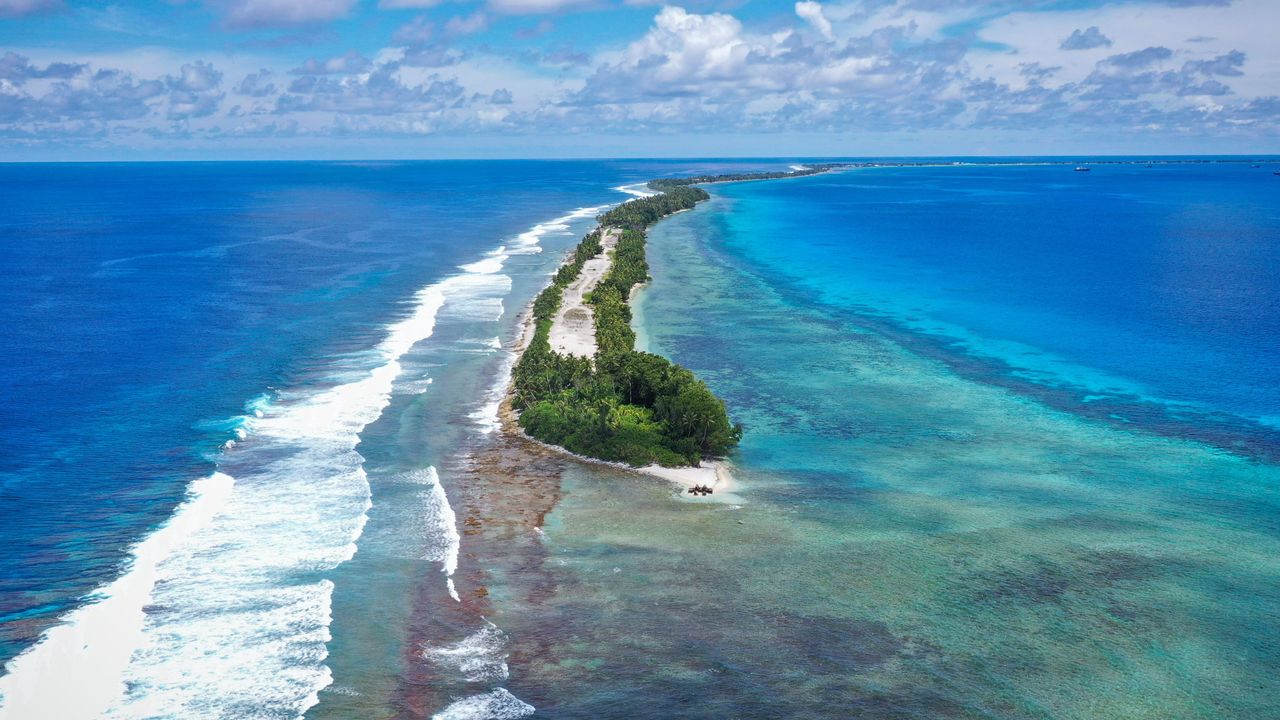
Why Tuvalu is suddenly on every iGaming operator’s radar







FAQs operators actually ask
Still have a questions?
Can I apply without a Tuvalu company?
Yes—current guidance indicates foreign entities can apply, and no local physical presence is required. Build a clean ownership and governance profile to keep onboarding smooth.
How fast is “fast”?
Well-prepared applications have been processed in under a month. Delays usually come from incomplete KYC, unclear market plans, or missing testing evidence.
Will PSPs accept Tuvalu?
Many will, with the right compliance posture and market selection. Expect enhanced diligence and consider multi-rail setups to spread risk.
Is corporate tax really 0%?
Tuvalu’s offshore regime offers 0% corporate tax at the licensing level, but your group’s global tax position still depends on where value is created, where management sits, and where players are located.
Can I target any country that doesn’t say “no”?
No. “Not expressly prohibited” is not the same as “permitted.” Use counsel to confirm where a remote online gambling offer is lawful and what local rules apply to marketing and payments.
The bottom line for serious teams
Tuvalu’s gaming license gives online operators a credible, low-friction way to launch and learn without mortgaging the runway. It’s not a shortcut around the law; it’s a framework that rewards operators who build clean controls, respect market boundaries, and run a responsible casino or sportsbook. If your strategy values speed, disciplined compliance, and smart payments, Tuvalu belongs on your shortlist. If you need deep market prestige, build for those regimes and budget accordingly.
| Aspect | Tuvalu gaming license — practical details |
|---|---|
| Status and overview | Tuvalu has launched an offshore online gaming license aimed at international operators and service providers. It targets online casino, sportsbook, and other gambling products. The model is light, fast, and cost‑efficient. Posts from industry consultants state approvals in under one month, minimal fees, and 0% corporate tax. Verify the latest rules before you apply. |
| Regulator and legal basis | The framework is described as an offshore regime supported by Tuvalu’s government. Public sources do not yet name a dedicated regulator or publish a full statute set. Expect a streamlined, rules‑based approach with fit‑and‑proper checks. Request the governing instruments and guidance notes during onboarding. |
| Who can apply | Foreign companies can apply directly. No Tuvalu company or physical office is required. UBOs, directors, and key persons must pass due diligence. Both B2C operators and B2B service providers are within scope. |
| License scope (verticals) | Online casino (RNG), live casino, sports betting, esports, poker, bingo, lotteries/instant win, crash and skill‑based games, and mixed content. Crypto gaming is mentioned as supported, subject to AML controls. |
| Geographic reach | It is an offshore license. It does not override local laws in target markets. Operators must geo‑block where gambling is illegal or requires a local license. Expect blocks in strict markets (for example, the UK, many EU states, US states). Acceptance by payment providers and partners varies by market. |
| Local presence and substance | No local company, staff, or office required. Third‑party hosting is allowed. Keep a documented compliance and technical footprint (policies, logs, vendor contracts) ready for reviews. |
| Taxes | Posts cite 0% corporate tax for offshore gaming income. Other revenue‑based levies are not publicly detailed. Confirm any GGR/turnover fees in your term sheet before filing. |
| Fees | Market messaging says “minimal licensing fees.” Exact figures are not public. Expect an application fee and an annual renewal. Budget separately for testing, legal, platform, and payment setup. |
| Approval timeline | Typical approval is quoted as under one month if documents are complete and clean. Complex ownership or adverse media will extend timelines. |
| Core compliance | AML/KYC, CDD/EDD on risk triggers, sanctions screening, responsible gambling tools (age checks, limits, self‑exclusion), complaint handling, and IT security. Keep a living risk assessment and training logs. |
| Technical requirements | Use certified RNG for casino content. Maintain game fairness proofs, change logs, uptime/SLA records, and secure payments (PCI‑DSS alignment when relevant). No stated server‑in‑country rule; use reputable data centers. |
| Payments (fiat and crypto) | Multiple payment solutions are supported. Card, bank, e‑money, and crypto rails can be combined. If using crypto, implement on/off‑ramp controls, blockchain analytics, and travel‑rule compliance where applicable. PSP acceptance depends on your markets, KYC quality, and game mix. |
| Reporting and audits | Prepare to file operational and compliance reports on a periodic basis. Keep transaction logs, game results, RNG certifications, and complaint registers. Ad‑hoc audits or information requests may occur. |
| Key personnel | Appoint a compliance lead and MLRO (can be remote). Name technical and responsible‑gambling contacts. Keep role descriptions and delegation matrices on file. |
| Application checklist | Corporate docs (incumbency, registry extracts), UBO/management KYC, source‑of‑funds proofs, clean criminal records, business plan and financial model, AML/RG policies, platform and content inventory, geoblocking plan, data protection program, agreements with PSPs and critical suppliers. |
| Advertising and affiliates | Clear T&Cs, age gates, and responsible‑gambling notices. Ban minors’ targeting and risky claims. Police affiliates; include takedown rights and audit clauses in affiliate contracts. Comply with local ad laws in each target market. |
| Player protection | Age verification before play, deposit and loss limits, self‑exclusion, time‑outs, reality checks, and a transparent complaints path. Escalation to the authority or an ADR may be required; confirm the channel in your license pack. |
| Sanctions and restricted lists | Screen customers, payments, and affiliates against UN/EU/OFAC lists. Block sanctioned countries and high‑risk geographies. Keep screening evidence and case notes. |
| Data protection | Apply privacy‑by‑design. If you touch EU/UK data, align with GDPR/UK GDPR (DPIAs, DPO where needed, SCCs for transfers). Maintain vendor DPAs and incident response runbooks. |
| Renewal and changes | Annual renewal with ongoing “fit and proper” status. Notify material changes (ownership, key staff, platform, new markets, new tokens) in advance. Keep policies current. |
| Banking and payouts | Use EMIs/PSPs comfortable with offshore gaming. Some banks will require higher reserves and rolling caps. Provide a complete compliance pack and live monitoring dashboards to speed onboarding. |
| Risk and blockers | Hidden UBOs, weak source‑of‑funds, sloppy KYC, unclear markets, and untested platforms stall or sink applications. PSPs may limit high‑risk games or crypto without strong controls. |
| Comparison snapshot (Curaçao, Malta) | Compared to Curaçao: similar speed‑to‑market, low cost, light substance; Curaçao is mid‑reform and more documented. Compared to Malta: Tuvalu is faster and cheaper with no local build‑out, but offers less access to regulated EU markets and tier‑1 payments. Pick by target markets and partner acceptance. |
| Who it fits | Startups and scale‑ups that need fast go‑live for online casino, sportsbook, or crypto gaming. Testing new geographies, MVPs, and affiliate‑to‑operator pivots. Not ideal for operators targeting tightly regulated markets or app store distribution in strict regions. |
| Practical launch timeline | Week 0–1: documents and policy pack. Week 2–3: due diligence and clarifications. Week 3–4: licensing decision (if clean). Week 4–8: PSP/EMI onboarding and game certifications. Timelines vary by risk and responsiveness. |
| Cost planning (non‑exhaustive) | License application and annual fee (low per posts), compliance and legal advisory, testing/certifications, platform and hosting, payments setup and reserves, fraud tools, data protection tooling, ongoing audits and training. |
| White‑label and B2B | A white‑label path may be available through licensed hosts; confirm that the underlying Tuvalu license permits it and how brands are listed. B2B suppliers can apply, per public posts. |
| Migration and multi‑license strategy | You can pair Tuvalu with another offshore license for redundancy or migrate later to a tier‑1 license for market access. Keep data portability, player consent, and technical handover plans ready. |
| Key takeaways | Tuvalu’s online gaming license is positioned as fast, low‑cost, and flexible for online gambling and casino operators. No local company is required. 0% corporate tax is advertised. Market access and PSP acceptance are offshore‑grade, so plan geoblocking and payments early. Always confirm the latest official terms before committing. |
Stay in Touch with Us
We are always available
Our team ensures your UAE business setup is smooth, efficient, and compliant with local laws. Contact us today to discuss your project.


Cyprus, Limassol
Franklinou Rousvelt, 170 Limassol Chamber, 3048, Limassol, Cyprus

Estonia, Tallinn
Harju maakond, Tallinn, Kesklinna linnaosa, Tuukri tn 19-315, 10152

UAE, Dubai
Building A1, Dubai Digital Park, Dubai Silicon Oasis, Dubai, United Arab Emirates

Ukraine, Kiyv
Kyiv, Azov Regiment Heroes Street 12, 04212

United States, New York
228 Park Ave S, New York City, New York, 10003, United States
Get in Touch
Leave your inquiry, and our legal team will get back to you as soon as possible. Initial consultation is free of charge and confidential.
Or contact us directly on:
