
Influencer license UAE
Have questions? We're here to help!
Message us on Telegram or WhatsApp for fast assistance!
In 2025, the influencer license in the UAE follows a two-license model: a commercial trade or freelance license plus a UAE Media Council authorization (the Advertiser Permit) for any paid or in‑kind promotional social media activity. The commercial license typically costs AED 5,000–15,000 per year. The Advertiser Permit is free for the first three years for citizens and residents, while other media permits, including the influencer media permit category under Cabinet Resolution No. 41 of 2025, are AED 1,000 per year. Here is how to get your license in Dubai: set up a DED or Free Zone license, secure residency if needed, then apply at uaemc.gov.ae for the Advertiser Permit and any format‑specific add‑ons; if you operate in Abu Dhabi, you also need the ADDED Individual (AED 1,250) or Business (AED 5,000) license. Core requirements include being 18+, holding a trade license (for residents), registering the accounts you use for ads, displaying your permit number, posting promotions only through those accounts, and not letting third parties advertise through your profile. There is no income threshold—receiving gifts or free services still counts as consideration—and non‑compliance can draw fines up to AED 1,000,000 federally plus up to AED 10,000 from ADDED.
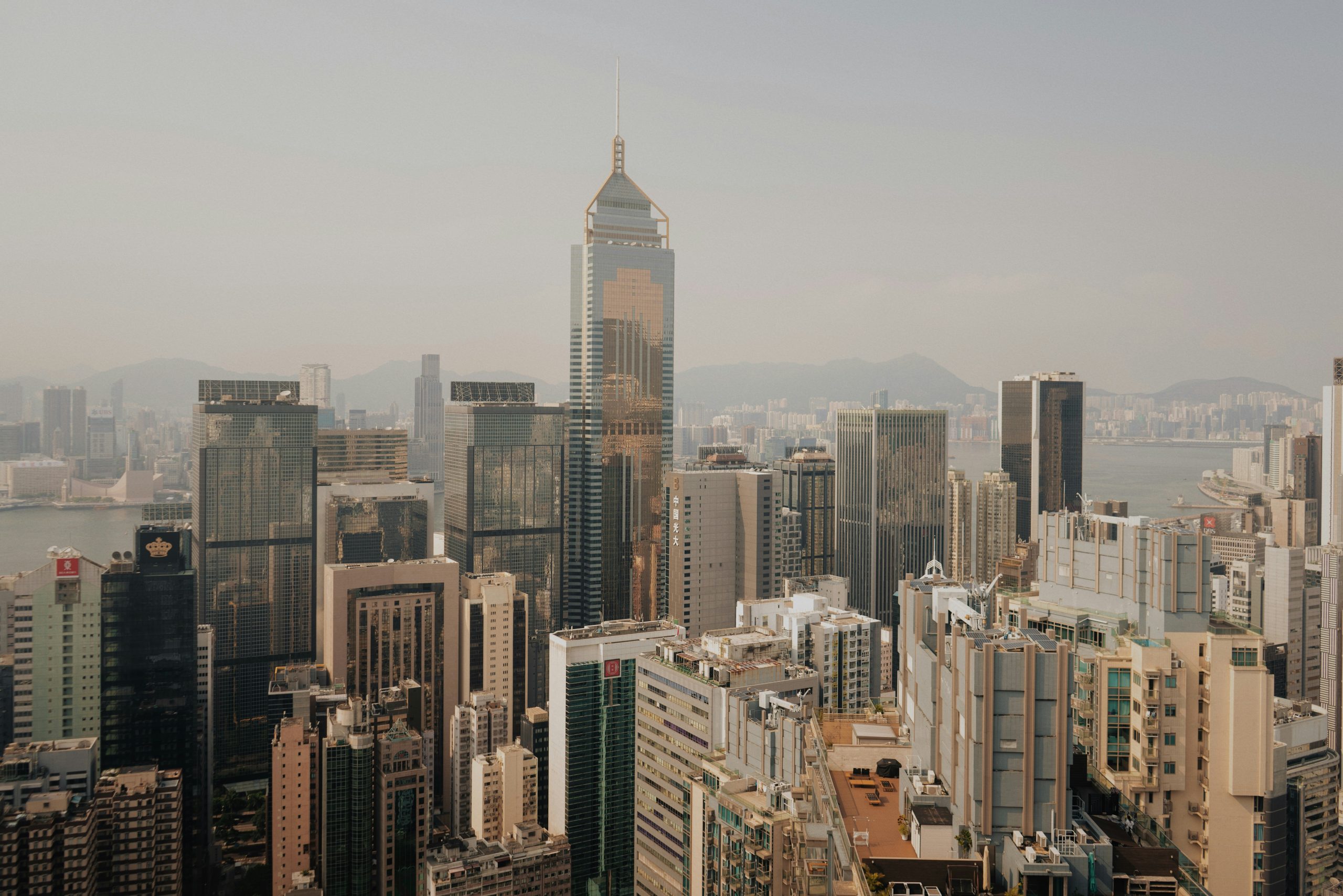
The 2025 playbook for your influencer license in the UAE
If you create content in the UAE and earn from it, 2025 is the year to get your paperwork in order. The rule of thumb is simple: the moment your social media turns commercial—brand deals, affiliate links, paid shoutouts, monetized product placements—you move from “hobbyist” to “business” in the eyes of the law. And with that come two layers of licensing: a business license and a media authorization.
This isn’t red tape for the sake of it. The updated framework under Federal Media Law No. 55 of 2023 and the UAE Media Council’s 2025 fee schedule is designed to protect creators and the public, raise content quality, and clean up the advertising space. Done right, it’s predictable, not painful—and it can actually help you charge more, because compliance is a selling point for brands.
What changed in 2025 (and why it matters)
Two changes define 2025. First, dual compliance is no longer optional. You need a commercial base (trade or freelance license) and a federal permit from the UAE Media Council to post promotional content legally. Second, the media side has been clarified and streamlined, with clear categories and standardized fees, plus a visitor route for creators flying in for campaigns.
Fines have scaled up too. The UAE Media Council can levy penalties up to AED 1,000,000 for serious breaches, and Abu Dhabi’s ADDED can fine up to AED 10,000 for operating without a trade license. That’s the stick. The carrot: a clearer, faster path to being fully licensed in Dubai, Abu Dhabi, and other emirates.
Do you actually need a license?
If you promote products or services—paid, affiliate, barter, or gifted—yes, you fall under the advertising and media rules. If your reels, videos, or posts are monetized by the platform alone without any third-party promotion, you’re in a grey zone: media permits are usually triggered by advertising activity, but your income may still count as “doing business,” which can require a trade or freelance license, especially in Abu Dhabi. The safe line: the moment money flows in with any regularity, get your business license. The moment you advertise for others, get the media permit.
There are narrow exemptions. If you only advertise your own company’s products via your personal account, you may not need the UAE Media Council’s advertiser permit. If you’re under 18 and doing educational, cultural, or awareness content, you’re typically exempt. But most working creators—vloggers, podcasters, streamers, UGC makers—need to comply.
The two-license model, explained


How to get your influencer license in Dubai in 2025
Choose your legal base
- Free zone vs mainland: Free zones are fast, digital-first, and often cheaper for solo creators. Mainland (Dubai DED) is best if brands insist on mainland contracting or you want a retail presence. Either route can issue you an e-commerce/media activity suitable for social media work.
- Name and activity: Keep it clean—no offensive terms, no famous names, and limited abbreviations. Choose activities aligned with content creation, advertising, or e-commerce if you also sell products.
Secure residency and ID
If you’re not already a resident, add a visa package to your license. You’ll need:
- Entry permit, medicals, Emirates ID.
- A basic lease (Ejari) or flexi-desk, depending on the zone.
Once your Emirates ID is issued, you can proceed with the federal media permit.
Apply for the media side
- UAE Media Council portal: create an account, select the right service (Influencer/Media Permit or Advertiser Permit), and submit your application.
- For the Advertiser Permit, display your permit number on your social accounts and only publish ads via the registered accounts. Don’t let others advertise through your account. If your ad falls into a regulated sector (health, finance, education), get prior approvals where required.
Documents and timelines
Have ready:
- Passport, UAE residence visa, Emirates ID.
- Trade or freelance license.
- Registered lease or title deed (where requested).
- Active social media account links.
- Clean compliance record—no prior media violations.
Timelines are typically 3–10 working days per step:
- Free zone or DED license: 3–7 working days (faster with express options).
- Visa and Emirates ID: 5–10 working days after entry permit.
- Media permit: often under a week once you’re a resident and your business license is active.
Cost snapshot (2025)
- Trade/freelance license: AED 5,000–15,000+ (varies by zone, visa bundle, and office).
- UAE Media Council Influencer/Media Permit: AED 1,000 per year.
- Advertiser Permit: for citizens and residents, free for the first three years; visitors get 3 months, renewable.
- Add-ons: PRO, medical/Emirates ID fees, health insurance, optional legal support.
Content rules you must live by
The UAE has strict but clear standards for social media content. Keep your advertising labeled and your tone respectful. No attacks on religion or state institutions, no content that harms public order, no misleading claims. When in doubt, disclose. If you promote financial products, medicines, clinics, or education services, expect extra approvals and tighter rules.
Be prepared for takedown powers. The UAE Media Council can edit or remove content that violates policy—and impose penalties. Clear contracts with advertisers and accurate disclosures reduce your risk.
Dubai vs Abu Dhabi vs free zones: what’s actually different?
The federal media rules are national, but your business license comes from an emirate or free zone, and procedures differ in small but meaningful ways. Abu Dhabi has been particularly strict since 2024 about the trade license requirement for influencers. Dubai’s free zones remain the quickest path for solo creators because you can bundle a freelance permit, visa, and a flexi-desk at predictable cost.
A practical lens: pick the licensing body that fits your client base and budget, but remember your media authorization is federal—so once you have the media permit, it covers you across the UAE.
Common scenarios I see every week
- Micro-influencer with monetized Reels but no ads: If you never promote third parties, the Advertiser Permit may not be triggered yet, but steady platform payouts can still count as “doing business.” In Abu Dhabi, that means get a trade license. In Dubai, do it as soon as you start invoicing or signing deals.
- Gifting only: Historically, some creators treated gifts as outside scope. Today, barter counts. If you’re receiving products, services, or trips in exchange for coverage, treat it as commercial and get licensed.
- Agency cover: If you sign with an agency licensed by the UAE Media Council, you may operate under their umbrella for the media side. You still need your own business license if you’re resident and getting paid. Agency cover usually means less control over deals and rates—read the small print.
- Visiting creator: Coming to Dubai for a campaign? Apply for a Visiting Advertiser Permit through an accredited agency. It’s valid up to three months and can be extended once. Don’t post ads without it.
Mistakes that cost creators money
The classic errors are easy to avoid:
- Getting the media permit before the trade license. Under the new model, your business license should come first.
- Skipping ad disclosures or failing to display your Advertiser Permit number on your profiles. That’s an avoidable fine.
- Using a personal bank account for business income. Open a proper account once your trade license is issued; brands and platforms prefer it, and it keeps your bookkeeping clean.
- Ignoring sector approvals. Health, finance, and education ads often require pre-clearance. Ask before you post.
Penalties scale with severity and repetition. Federal fines can reach AED 1,000,000, and emirate-level economic departments can add their own penalties for unlicensed business activity.
Quick comparison of your media options in 2025
- Influencer/Media Permit (UAE Media Council): Annual federal authorization for content/ads. Fee: AED 1,000/year. Good for regular commercial creators and small media outfits.
- Advertiser Permit (UAE Media Council): For individuals advertising on social media, paid or unpaid. Citizens and residents: free for the first three years; one-year validity, renewable. Visitors: 3 months via an approved agency, renewable.
- Agency umbrella: Operate under a Council-licensed agency’s coverage for the media side. You’ll still want your own trade/freelance license if you’re resident and earning.
In all cases, pair the media pathway with a UAE trade or freelance license to keep your business legal and your visa status clean.
How to future‑proof your influencer business in the UAE
Treat compliance like a product feature. Add your permit number to your bio, keep your contract templates updated with disclosure and approval clauses, and maintain a content log for campaigns in regulated sectors. If you work across borders, set up a clean invoicing flow and know where the income is taxed. The UAE is a 0% corporate tax jurisdiction for many free zone structures, but mainland companies and cross‑border earners can drift into corporate tax or personal tax elsewhere—get tailored advice if you sell globally.
Finally, remember this: in 2025, brands in Dubai and across the UAE are actively screening for compliant creators. When you can say, “Yes, I’ve got my trade license and my media permit,” you’re easier to hire, faster to pay, and safer to scale. That’s how to get your influencer license in the UAE—without losing the plot of your social media growth.
| Topic | Summary | Requirements | Cost in 2025 (AED) | Where/how to get it | Validity | Penalties/non-compliance | Tips for Dubai |
|---|---|---|---|---|---|---|---|
| Dual licensing rule (UAE 2025) | Influencers in the UAE who earn from social media must hold two licences: a business licence (trade or freelance) and a media licence. If you publish ads for others, you also need an Advertiser Permit. | Be 18+; comply with UAE content rules; have a UAE residence visa for resident permits; keep records of paid collaborations. | Media licence: 1,000 per year; Advertiser Permit: free for citizens and residents for first 3 years; business licence fees vary. | Business licence from DED (mainland) or a free zone; media licence and Advertiser Permit from UAE Media Council (uaemc.gov.ae). | Business and media licences renew annually. Advertiser Permit renews yearly (residents) or 3 months (visitors). | Fines up to 1,000,000 under the Media Law; Abu Dhabi can fine up to 10,000 for operating without a trade licence. Content can be removed. | Plan your budget for both licences. Start with the trade or freelance licence, then get the media licence, then the Advertiser Permit if you advertise for others. |
| Trade or business licence (mainland or free zone) | Legal foundation to earn income in the UAE as a social media influencer, creator, or agency. Lets you invoice, open a bank account, and sponsor visas. | Choose activity (e.g., media/advertising services); passport; photo; Emirates ID/visa if applicable; office address or flexi-desk; trade name approval. | Typical packages: 5,000–15,000 depending on emirate and free zone; DED fees vary by activity. | DED (Dubai mainland) or free zones (Dubai Media City, SHAMS, Fujairah Creative City, IFZA, Meydan, etc.). | 1 year, renewable. | Operating commercially without this licence can trigger fines (e.g., ADDED up to 10,000 in Abu Dhabi) and account blocks. | Free zones are faster and often cheaper. Mainland suits those selling in the local market or needing broad activities. |
| Abu Dhabi ADDED licence (specific) | Mandatory local commercial licence if you operate in Abu Dhabi as an influencer or agency. | UAE Pass; Emirates ID/visa; chosen activity; address; photo; basic forms. | Individuals: ~1,250; Businesses: ~5,000. | ADDED via TAMM platform. | 1 year, renewable. | Separate from the UAE Media Council licence; you need both if active in Abu Dhabi. | If you live in Dubai but target Abu Dhabi clients regularly, align your structure to avoid local breaches. |
| Freelance permit (free zone) | A lighter, personal business setup for solo creators. Often cheaper than a full company. | Passport; photo; CV/portfolio; sometimes NOC from employer; Emirates ID/visa if switching status. | Often 5,000–10,000 depending on zone and visa bundle. | Free zones like Dubai Media City, SHAMS, Fujairah Creative City, IFZA, Meydan. | 1 year, renewable. | Same compliance as a company. You still need the media licence for paid content. | Good entry path for solo influencer work in Dubai with lower cost. |
| UAE Media Council media licence (influencer/media services permit) | Federal media licence for influencers and content creators who earn money in the UAE. Required after you have a business or freelance licence. | 18+; good conduct; Emirates ID and visa (residents); business/freelance licence; address (Ejari/title deed); comply with content standards. | 1,000 per year (per Cabinet Resolution No. 41 of 2025). | UAE Media Council portal (uaemc.gov.ae). | 1 year, renewable. | Publishing paid content without this licence risks fines and takedowns. | Secure your trade/freelance licence first, then apply for this media licence. Keep your licence number handy for brand due diligence. |
| Advertiser Permit (residents/citizens) | Permit for individuals who advertise on social media, paid or unpaid, for third parties. You must display the permit number on your accounts. | 18+ (exceptions possible); clean media record; valid trade licence for electronic media; comply with ad approvals where required. | Free for citizens and residents for the first 3 years; renewal fees may apply later. | UAE Media Council portal. | 1 year, renewable. | Ads without the permit after the grace period may lead to fines and enforcement. | If you run paid ads for brands in Dubai, add this permit to your stack. It is separate from the media licence. |
| Visiting Advertiser Permit (visitors) | Short-term permit for visiting creators who post ads while in the UAE. Must apply via a licensed agency. | Apply through a Council-accredited ad or talent agency; passport; itinerary; agency contract. | Agency and government fees vary; permit itself is typically issued via the agency; validity is up to 3 months. | UAE Media Council via licensed agency. | Up to 3 months, extendable once. | Ads without this while in the UAE can trigger penalties and takedowns. | If you fly into Dubai for shoots or events, plan the permit in advance with your agency. |
| Content standards (what you must follow) | 20 mandatory standards apply to social media media content. Ban on offensive, defamatory, or harmful posts; respect religion, government, social values, and public order. | Understand ad disclosures; sector approvals (e.g., health, financial services) where applicable; truthful claims; age-appropriate content. | No fee, but violations are costly. | UAE Media Council guidelines. | Ongoing. | Breaches can lead to content removal, suspensions, and fines up to 1,000,000. | Keep a written ad policy and brand vetting checklist. Train anyone touching your accounts. |
| Who is considered an influencer | Anyone in the UAE who earns through social media brand deals, paid promotions, affiliate links, ads for others, or product sales linked to their accounts. | Earning or benefits trigger licensing. Gifts, experiences, or free products in exchange for coverage are treated as compensation. | N/A | N/A | N/A | Treat gifts/benefits as paid work for compliance. | If you only promote your own company’s products on your own account, the Advertiser Permit is not required. |
| Edge cases (low earnings, platform-only monetization) | If you only receive platform monetization (e.g., Facebook Reels payouts) with no ads for others, you may not need the Advertiser Permit. Commercial activity can still require a trade/freelance licence. | Assess your revenue sources; if you do affiliate links or brand mentions, you need both business and media licences and the Advertiser Permit. | Business licence cost varies; media licence 1,000; Advertiser Permit free (first 3 years) if you advertise for others. | Apply as above. | Annual cycles. | Small sums do not exempt you if you advertise for others. | When in doubt, keep ads off until your licences are issued. |
| How to get your influencer licence in Dubai (step-by-step) | Simple path to stay compliant in the UAE. | 1) Choose mainland (DED) or free zone. 2) Pick activity and name. 3) Get trade/freelance licence. 4) Obtain residence visa and Emirates ID. 5) Apply for UAE Media Council media licence. 6) If you publish ads for others, get the Advertiser Permit. 7) Add sector approvals if needed. | See costs below. | DED or free zone portals; uaemc.gov.ae. | Most steps renew yearly. | Don’t post paid ads until all permits are live. | A one-stop business setup firm can bundle the steps, but you remain responsible for compliance. |
| Costs in Dubai (typical 2025 budget) | Common cost blocks for an influencer in the UAE. | Business/freelance licence; establishment card; visa + medical + Emirates ID; media licence; Advertiser Permit (if needed); PO box; basic insurance; bookkeeping. | Example solo setup: 10,000–20,000 total year one depending on zone and visa; Media licence: 1,000; Advertiser Permit: free (first 3 years); renewals usually lower. | Pay via government portals or authorized service centers. | Annual renewals. | Late renewals incur fines and service holds. | Shop free zone packages that include visa quota and co-working. |
| Documents checklist | Keep these ready to speed things up. | Passport; photo; Emirates ID; residence visa; proof of address (Ejari/title deed); business/freelance licence; portfolio/links; clean content record; bank IBAN for payouts. | N/A | Upload via portals (UAE Pass helps). | Keep scans updated. | Missing items delay approvals. | Name your files clearly; use the same email and phone across applications. |
| Agencies vs. self-licensing | You can sign with a Council-certified influencer agency that holds umbrella permissions, or you can hold your own licences. | Agency contract; KYC; rate cards; content controls. | Agency fees vary; personal licences still needed in some cases. | Through licensed agencies plus your own filings. | Contract term based. | Less control if relying only on agency coverage. | Owning your licences gives you flexibility with brands in Dubai and across the UAE. |
| Renewal and ongoing compliance | Keep all licences active and your content clean. | Renew business, media, and Advertiser Permit on time; update details after any change; label ads; store contracts and invoices. | Budget for annual fees; set reminders 30–60 days before expiry. | Same authorities as initial issue. | Annual. | Expired permits can pause your work and lead to penalties. | Do a quarterly compliance review of your social media accounts. |
| Accounting and tax basics | Treat your influencer activity as a business in the UAE. | Issue invoices; track expenses; consider VAT if turnover passes 375,000; maintain books. | Accounting software or outsourced bookkeeping costs vary. | FTA for VAT; private firms for accounting. | Ongoing. | Non-compliance with tax rules can lead to penalties. | Keep separate business banking for clean records. |
| Quick compliance map (who needs what) | Snapshot for fast decisions. | – You advertise for others (paid or unpaid): trade/freelance licence + media licence + Advertiser Permit. – You only promote your own company: trade licence + media licence (no Advertiser Permit). – You’re visiting and will advertise: Visiting Advertiser Permit via agency; if you sign local deals, consider short-term licensing. | See rows above. | See rows above. | See rows above. | See rows above. | When in doubt, assume an ad for others requires the Advertiser Permit in the UAE. |
Stay in Touch with Us
We are always available
Our team ensures your UAE business setup is smooth, efficient, and compliant with local laws. Contact us today to discuss your project.


Cyprus, Limassol
Franklinou Rousvelt, 170 Limassol Chamber, 3048, Limassol, Cyprus

Estonia, Tallinn
Harju maakond, Tallinn, Kesklinna linnaosa, Tuukri tn 19-315, 10152

UAE, Dubai
Building A1, Dubai Digital Park, Dubai Silicon Oasis, Dubai, United Arab Emirates

Ukraine, Kiyv
Kyiv, Azov Regiment Heroes Street 12, 04212

United States, New York
228 Park Ave S, New York City, New York, 10003, United States
Your Global Legal Partner
Our highly qualified team guarantees a substantive response within 24 business hours. Your inquiry is confidential and handled by an international expert.
Prefer Direct Email?
You can also send your request and documents directly to:
